Standards in Europe

Standards and other standardisation publications are voluntary guidelines providing technical specifications for products, services, and processes – from industrial safety helmets or chargers for electronic devices to service quality levels in public transport. Standards are developed by private standardisation organisations usually on the initiative of stakeholders who see a need to apply a standard.

Although standards as such are voluntary, using them proves that your products and services reach a certain level of quality, safety, and reliability.

In some cases, standards are referenced in legislation as a preferred way or even as a mandatory requirement to comply with specific laws (i.e. safety legislation or interoperability requirements).

Main benefits of using standards

Standardised quality and safety of products help your business to build consumer confidence. For example, tools and equipment designed and tested according to standards give better protection for professionals such as firefighters and hospital staff.

Services designed according to service standards, e.g. scuba diving courses, ensure a high level of quality and safety for the consumer.

Standards help to protect the environment and the consumers’ health. For example, standards provide measurement methods to monitor and control air pollution. Food hygiene standards provide classification and test methods for materials in contact with food.

Better access to markets: standards can open up markets by making your products or services compatible and comparable. 

Standards can help to improve interoperability between products or services. For example, standards advise on the size of the rail tracks to ensure the safety of trains.

European standards

European standards are adopted by one of the 3 European standardisation organisations (ESOs):

  • European Committee for Standardisation (CEN)
  • European Committee for Electrotechnical Standardisation (Cenelec)
  • European Telecommunications Standards Institute (ETSI)

At national level, standardisation is managed by national standardisation bodies (NSBs) who adopt and publish national standards. The NSBs also transpose all European standards as identical national standards and withdraw any conflicting national standards.

Harmonised standards

Harmonised standards are a specific category of European standards developed by an ESO following a request, known as a ‘mandate’, from the European Commission.  About 20% of all European standards are developed following a standardisation request from the European Commission.

You can use harmonised standards to prove that your products or services comply with the technical requirements of the relevant EU law.

Technical requirements given in EU legislation are mandatory, while the use of harmonised standards is usually voluntary. 

Harmonised standards establish technical specifications which are considered suitable or sufficient in order to comply with the technical requirements given in EU legislation.

In most cases, using harmonised standards is voluntary. As a manufacturer or service provider, you can choose another technical solution to fulfil the legal requirements.

How to find a standard

To search for a European standard you can use one of the search engines on the European standardisation organisations’ portals:

  • Cenelec for electrotechnical standards
  • ETSI for telecommunication standards
  • CEN for all other sector standards

Each of the national standardisation bodies (NSBs) has its own search engine. To find out more about the standards valid in each country, choose a country from the list above and follow the instructions.

See also:

You are welcome to consult us, please contact David Zeng info@emc.wiki or 1513888718@qq.com , We can provide one-stop testing, EMC debug and certification services.
Europa(Europe)- Ecodesign and Energy Labelling

Directive 2009/125/EC and Regulation (EU) 2017/1369

Short name:Ecodesign and Energy Labelling – Framework Directives
Base:Directive 2009/125/EC of the European Parliament and of the Council of 21 October 2009 establishing a framework for the setting of ecodesign requirements for energy-related products
OJ L 285, 31 October 2009Search for available translations of the preceding linkEN•••Regulation (EU) 2017/1369 of the European Parliament and of the Council of 4 July 2017 setting a framework for energy labelling and repealing Directive 2010/30/EU
OJ L 198, 28 July 2017, p. 1–23Search for available translations of the preceding linkEN•••
Modification:[-]
Directives repealed:Directive 2010/30/EU of the European Parliament and of the Council of 19 May 2010 on the indication by labelling and standard product information of the consumption of energy and other resources by energy-related products – OJ L 153, 18 June 2010Search for available translations of the preceding linkEN•••Directive 2005/32/EC of the European Parliament and of the Council of 6 July 2005 establishing a framework for the setting of ecodesign requirements for energy-using products and amending Council Directive 92/42/EEC and Directives 96/57/EC and 2000/55/EC of the European Parliament and of the Council – OJ L 191, 22 July 2005Search for available translations of the preceding linkEN•••Directive 2008/28/EC of the European Parliament and of the Council of 11 March 2008 amending Directive 2005/32/EC establishing a framework for the setting of ecodesign requirements for energy-using products, as well as Council Directive 92/42/EEC and Directives 96/57/EC and 2000/55/EC, as regards the implementing powers conferred on the Commission – OJ L 81, 20 March 2008Search for available translations of the preceding linkEN••• – Amendment Partial RepealCouncil Directive 92/75/EEC of 22 September 1992 on the indication by labelling and standard product information of the consumption of energy and other resources by household appliances – OJ L 297, 13 October 1992Search for available translations of the preceding linkEN•••
Guide for application:Guidance on CE marking for professionalsSearch for available translations of the preceding linkEN•••
Commission contact points:Directorate-General (DG) for Energy – Energy Efficiency Unit
Contact DG EnergySearch for available translations of the preceding linkEN•••
Energy label and ecodesignSearch for available translations of the preceding linkEN••• webpageDG for Internal Market, Industry, Entrepreneurship and SMEs, Clean Technologies and Products Unit
Email
EcodesignSearch for available translations of the preceding linkEN••• webpage
For information about the content and availability of European standards, please contact the European Standardisation OrganisationsSearch for available translations of the preceding linkEN•••.

Harmonised standards

There are no references of harmonised standards which have been published in the Official Journal of the European Union under the ecodesign and energy labelling framework directives.

To view the references of harmonised standards which have been published in the Official Journal under the ecodesign and energy labelling implementing measures, please select the short names below.

Implementing measures – Ecodesign and Energy labelling

Directives/ Regulations

  EcodesignEnergy Labelling
CirculatorsSearch for available translations of the preceding linkEN•••Circulators and glandless circulators integrated in products(EC) No 641/2009 
ComputersSearch for available translations of the preceding linkEN•••Computers and computer servers(EU) No 617/2013Search for available translations of the preceding linkEN••• 
Computers and small serversEnterprise servers and data storage products(EU) 2019/424Search for available translations of the preceding linkEN••• 
DishwashersSearch for available translations of the preceding linkEN•••Household dishwashers(EU) No 2019/2022(EU) No 2019/2017
Domestic ovens, hobs and range hoodsSearch for available translations of the preceding linkEN•••Domestic ovens, hobs and range hoods(EU) No 66/2014(EU) No 65/2014
Electric motorsSearch for available translations of the preceding linkEN•••Electric motors(EU) 2019/1781 
FansSearch for available translations of the preceding linkEN•••Industrial fans driven by motors(EU) No 327/2011 
Heating and cooling appliancesAir conditioners and comfort fansSearch for available translations of the preceding linkEN•••(EU) No 206/2012(EU) No 626/2011
Hot-water boilersSearch for available translations of the preceding linkEN•••92/42/EEC 
Water heaters and hot water storage tanksSearch for available translations of the preceding linkEN•••(EU) No 814/2013Search for available translations of the preceding linkEN•••(EU) No 812/2013Search for available translations of the preceding linkEN•••
Space heatersSearch for available translations of the preceding linkEN•••(EU) No 813/2013Search for available translations of the preceding linkEN•••(EU) No 811/2013Search for available translations of the preceding linkEN•••
Local space heaters, Solid fuel local space heatersSearch for available translations of the preceding linkEN•••(EU) 2015/1188Search for available translations of the preceding linkEN•••
(EU) 2015/1185Search for available translations of the preceding linkEN•••
(EU) 2015/1186Search for available translations of the preceding linkEN•••
Solid fuel boilersSearch for available translations of the preceding linkEN•••(EU) 2015/1189Search for available translations of the preceding linkEN•••(EU) 2015/1187Search for available translations of the preceding linkEN•••
Air heating products, cooling products, high temperature process chillers and fan coil unitsSearch for available translations of the preceding linkEN•••(EU) No 2016/2281Search for available translations of the preceding linkEN••• 
Power suppliesSearch for available translations of the preceding linkEN•••External power supplies(EU) 2019/1782Search for available translations of the preceding linkEN••• 
Refrigerated storage cabinetsSearch for available translations of the preceding linkEN•••Professional refrigerated storage cabinets, blast cabinets, condensing units and process chillers(EU) 2015/1095Search for available translations of the preceding linkEN•••(EU) 2015/1094Search for available translations of the preceding linkEN•••
Refrigerating appliancesSearch for available translations of the preceding linkEN•••Household refrigerating appliances(EU) 2019/2019Search for available translations of the preceding linkEN•••(EU) 2019/2016Search for available translations of the preceding linkEN•••
Set-top boxesSearch for available translations of the preceding linkEN•••Simple set-top boxes(EC) No 107/2009 
Standby and off modeSearch for available translations of the preceding linkEN•••Electric power consumption standby and off mode of electrical and electronic household and office equipment(EC) No 1275/2008
(EC) No 801/2013
 
TelevisionSearch for available translations of the preceding linkEN•••Television(EU) 2019/2021Search for available translations of the preceding linkEN•••(EU) 2019/2013Search for available translations of the preceding linkEN•••
TransformersSearch for available translations of the preceding linkEN•••Small, medium and large power transformers(EU) No 548/2014 
Tumble driersSearch for available translations of the preceding linkEN•••Household tumble driers(EU) No 932/2012(EU) No 392/2012
Vacuum cleanersSearch for available translations of the preceding linkEN•••Vacuum cleaners(EU) No 666/2013 
VentilationSearch for available translations of the preceding linkEN•••Ventilation units(EU) No 1253/2014Search for available translations of the preceding linkEN•••(EU) No 1254/2014Search for available translations of the preceding linkEN•••
Washing machines and washer-dryersSearch for available translations of the preceding linkEN•••Household washing machines and washer-dryers(EU) No 2019/2023(EU) No 2019/2014
Water pumpsSearch for available translations of the preceding linkEN•••Water pumps(EU) No 547/2012 
Welding equipmentWelding equipment(EU) 2019/1784 

Europa(Europe)- Product compliance – Ecodesign requirements

Before you can begin selling a product in an EU country, it must comply with the rules that apply in that country and throughout the EU. Once the product has been approved for sale in one country, it can then in principle be sold anywhere in the EU. In practice, individual EU countries do retain the right, in certain cases, to restrict the access to their market of products already sold in another EU country.

Different rules must be followed at each step of the process of bringing a product to market: planning, manufacturing, importing (for products manufactured outside the EU), distribution and the final sale to consumers or end-users. Many potential actors are involved.

Explore the interactive content below to find out what each actor does and what their EU‑related obligations are.

Manufacturers or the authorised representatives

Ecodesign requirements

There are certain products that must comply with minimum requirements related to energy efficiency. These are called ecodesign requirements and the aim is to reduce the negative environmental impact throughout the product’s lifecycle.

Before you place this type of product on the EU market you must ensure that they comply with these rules.

The product types currently covered by these rules are those that use energy (boilers, computers, household appliances etc.). You can see the full list below:

Products that must meet ecodesign requirements

Domestic and service industry lighting products:

  • Directional and non-directional lamps (including ultraviolet radiation)
  • Fluorescent lamps (without integrated ballast)
  • High-intensity discharge lamps
  • Ballasts and luminaires able to operate such lamps

Electrical devices:

  • Computers and servers
  • Game consoles
  • Simple/complex set-top boxes
  • Standby for networked equipment
  • Televisions

Household appliances:

  • Cookers
  • Dishwashers
  • Freezers
  • Refrigerators
  • Tumble dryers
  • Washing machines
  • Vacuum cleaners

Heating and cooling devices:

  • Air conditioners
  • Heaters
  • Comfort fans
  • Heaters
  • Industrial fans
  • Local space heaters
  • Solid fuel local space heaters
  • Solid fuel boilers
  • Ventilation units
  • Water heaters

Other products:

  • Circulators
  • Electric motors
  • Electric power consumption standby and off mode
  • External power supplies
  • Imagining equipment
  • Power transformers
  • Professional refrigeration
  • Water pumps

If you want to read about product-specific ecodesign regulations you can see the links in the references section at the bottom of the page.

Types of requirements

There are two types of requirements foreseen in the Ecodesign Directive.

Specific requirements

Specific requirements are when exact values are measured and a limit is given. For example, maximum energy consumption, or minimum quantities of recycled material to be used in production.

Generic requirements

Generic requirements do not set limit values, but may require that:

  • the product is ‘energy-efficient’ or ‘recyclable’
  • you provide information on how to use and maintain the product, to minimise its environmental impact
  • you perform a lifecycle analysis of the product to identify alternative design options and solutions for improvement

The introduction of new minimum requirements can result in a ban of all non-compliant products from being sold in EU countries. An example of this is incandescent lamps, which were gradually phased out from 2009.

Harmonised standards

Harmonised standards are rules that have been adopted by the European standardisation bodies (CENELEC and CEN).

The use of harmonised standards helps provide a presumption of conformity. This means that the products are presumed to comply with the requirements covered by implementing measures when tested using a harmonised standard.
 

Additional harmonised EU standards are gradually being produced to support the ecodesign measures adopted so far.

How to obtain CE marking?

As the product’s manufacturer, you bear sole responsibility for declaring conformity with all requirements. You don’t need a license to affix the CE marking to your product, however, before doing so, you must:

  • ensure conformity with all relevant EU-wide requirements
  • determine whether you can assess your product by yourself or if you have to involve a notified body
  • put together a technical dossier documenting conformity: find out about technical documentation
  • draft and sign an EU declaration of conformity

Once your product bears the CE marking — if the competent national authority requests — you must provide them with all the information and supporting documentation concerning CE marking.

Technical documentation

You are welcome to consult us, please contact David Zeng info@emc.wiki or 1513888718@qq.com , We can provide one-stop testing, EMC debug and certification services.
CE Technical documentation

The technical documentation provides information on the designmanufacture, and operation of a product and must contain all the details necessary to demonstrate the product conforms to the applicable requirements.

If you are the manufacturer, there are certain rules that must be followed when placing a product on the market; you must:

  • prepare the technical documentation before placing a product on the market
  • ensure the technical documentation is made available to the market surveillance authorities (should they request to see it) as soon as the product is placed on the market
  • keep the technical documentation for 10 years from the date the product is placed on the market (unless explicitly specified otherwise)

The technical documentation is necessary to prove the product meets the essential requirements and therefore justify and support an EU declaration of conformity. You need this documentation in order to affix the CE marking to the product.

How to draw up the technical documentation?

The technical documentation should include at least:

  • your name and address, or those of any authorised representatives
  • a brief description of the product
  • identification of the product, for example, the product’s serial number
  • the name(s) and address(es) of the facilities involved in the design and manufacture of the product
  • the name and address of any notified body involved in assessing the conformity of the product
  • a statement of the conformity assessment procedure that has been followed
  • the EU declaration of conformity
  • label and instructions of use
  • a statement of relevant regulations to which the product complies
  • identification of technical standards with which compliance is claimed
  • list of parts
  • test results

As a manufacturer, you should be able to demonstrate where and how the various parts of the document are held and maintained.

You can usually choose in which language you want to prepare the technical documentation. However, the market surveillance authorities may ask you to translate the technical documentation depending on the EU country where the product has been placed on the market. If requested, you can also provide it in electronic format.

In general the Technical File should include the following information

Technical description and colour photographs of the product
Design documents: schematics, construction drawings, parts lists and certificates
List of standards applied and details of solutions used to comply with the essential requirements
Construction review against harmonised standard
Results of design calculations and assumptions
Test reports
User and installation instructions
Marking and labelling information
Declaration of Conformity
The Technical File must be made available on demand by the national regulatory authorities.

Risk assessment

As a manufacturer, you are responsible for identifying all the possible risks your product could pose and determine the applicable essential requirements. This analysis must be included in the technical documentation. In addition, you will need to explain the ways in which you have addressed the risks identified to ensure that your product complies with the applicable requirements, for example, by applying harmonised standards.

EU declaration of conformity

An EU declaration of conformity (DoC) is a mandatory document that you as a manufacturer or your authorised representative need to sign to declare that your products comply with the EU requirements. By signing the DoC you take full responsibility for your product’s compliance with the applicable EU law.

You are welcome to consult us, please contact David Zeng info@emc.wiki or 1513888718@qq.com , We can provide one-stop testing, EMC debug and certification services.
Which countries does Europe include?

Europe countries

CE certification

Austria
EU member country since 1995, Euro area member since 1999, Schengen area member since 1997 and more about Austria’s participation in the EU.

Belgium
EU member country since 1958, Euro area member since 1999, Schengen area member since 1995 and more about Belgium’s participation in the EU.

Bulgaria
EU member country since 2007 and more about Bulgaria’s participation in the EU.

Croatia
EU Member State since 2013 and more on Croatia’s role in the EU.

Cyprus
EU member country since 2004, Euro area member since 2008 and more about Cyprus’s participation in the EU.

Czechia
EU member country since 2004, Schengen area member since 2007 and more about Czechia’s participation in the EU.

Denmark
EU member country since 1973, opt-out from euro, Schengen area member since 2001 and more about Denmark’s participation in the EU.

Estonia
How Estonia is represented in the different EU institutions, how much money it gives and receives, its political system and trade figures.

Finland
EU member country since 1995, Euro area member since 1999, Schengen area member since 2001 and more about Finland’s participation in the EU.

France
EU member country since 1958, Euro area member since 1999, Schengen area member since 1995 and more about France’s participation in the EU.

Germany
EU member country since 1958, Euro area member since 1999, Schengen area member since 1995 and more about Germany’s participation in the EU.

Greece
EU member country since 1981, Euro area member since 2001, Schengen area member since 2000 and more about Greece’s participation in the EU.

Hungary
EU member country since 2004, Schengen area member since 2007 and more about Hungary’s participation in the EU.

Ireland
EU member country since 1973, Euro area member since 1999, opt-out from Schengen area and more about Ireland’s participation in the EU.

Italy
EU member country since 1958, Euro area member since 1999, Schengen area member since 1997 and more about Italy’s participation in the EU.

Latvia
EU member country since 2004, Euro area member since 2014, Schengen area member since 2007 and more about Latvia’s participation in the EU.

Lithuania
EU member country since 2004, Euro area member since 2015, Schengen area member since 2007 and more about Lithuania’s participation in the EU.

Luxembourg
EU member country since 1958, Euro area member since 1999, Schengen area member since 1995 and more about Luxembourg’s participation in the EU.

Malta
EU member country since 2004, Euro area member since 2008, Schengen area member since 2007 and more about Malta’s participation in the EU.

Netherlands
EU member country since 1958, Euro area member since 1999, Schengen area member since 1995 and more about the Netherlands’ participation in the EU.

Poland
EU member country since 2004, Schengen area member since 2007 and more about Poland’s participation in the EU.

Portugal
EU member country since 1986, Euro area member since 1999, Schengen area member since 1995 and more about Portugal’s participation in the EU.

Romania
EU member country since 2007 and more about Romania’s participation in the EU.

Slovakia
EU member country since 2004, Euro area member since 2009, Schengen area member since 2007 and more about Slovakia’s participation in the EU.

Slovenia
EU member country since 2004, Euro area member since 2007, Schengen area member since 2007 and more about Slovenia’s participation in the EU.

Spain
EU member country since 1986, Euro area member since 1999, Schengen area member since 1995 and more about Spain’s participation in the EU.

Sweden
EU member country since 1995, Schengen area member since 2001 and more about Sweden’s participation in the EU.

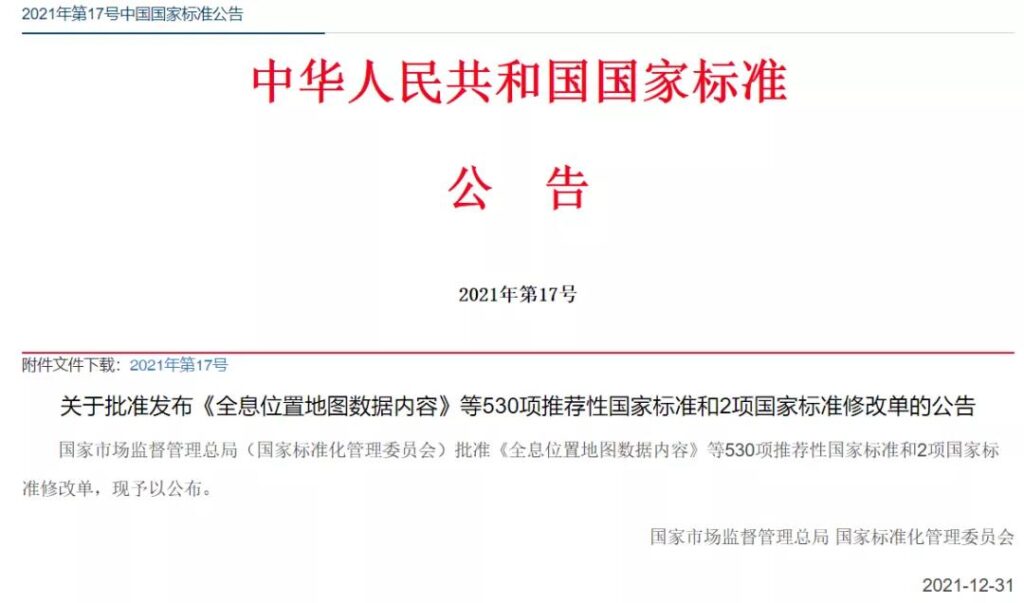
China Releases a National Standard -GB/T 17743-2021

The Chinese national standard GB/T 17743-2021 was released and officially implemented in July 2022

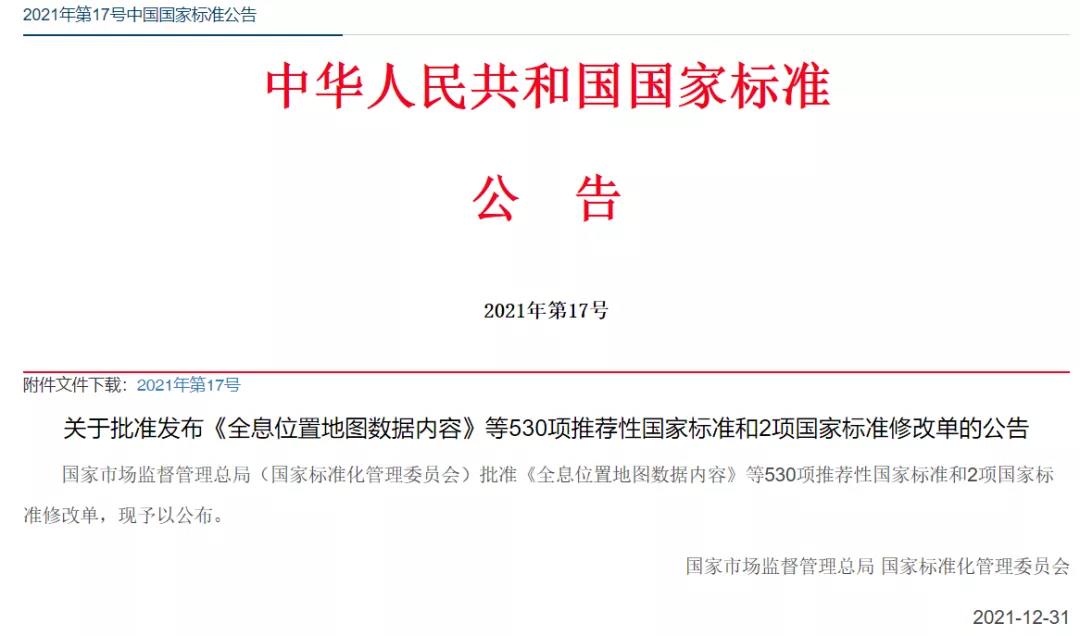
On December 31, 2021, the National Standards Administration of the State Administration for Market Regulation issued the 2021 China National Standards Announcement No. 17. This announcement contains the recommended national standard GB/T 17743-2021 “Limits and Measurement Methods of Radio Disturbance Characteristics of Electrical Lighting and Similar Equipment”, which will be formally implemented on July 1, 2022.

Electric lighting and similar equipment involve a wide range in life and develop very rapidly, affecting the daily lives of thousands of households, city night lighting, entertainment stage lighting, and so on. GB/T 17743-2021 is equivalent to the IEC international standard CISPR 15:2018, which is an important test basis for electrical lighting and similar equipment in terms of emission harassment. The release of this standard marks that my country’s standardization work in this field is further in line with international standards, reduces trade barriers caused by technological differences, and will help enhance the competitiveness of my country’s related products in the international market.

You are welcome to consult us, please contact David Zeng info@emc.wiki or 1513888718@qq.com , We can provide one-stop testing, EMC debug and certification services.
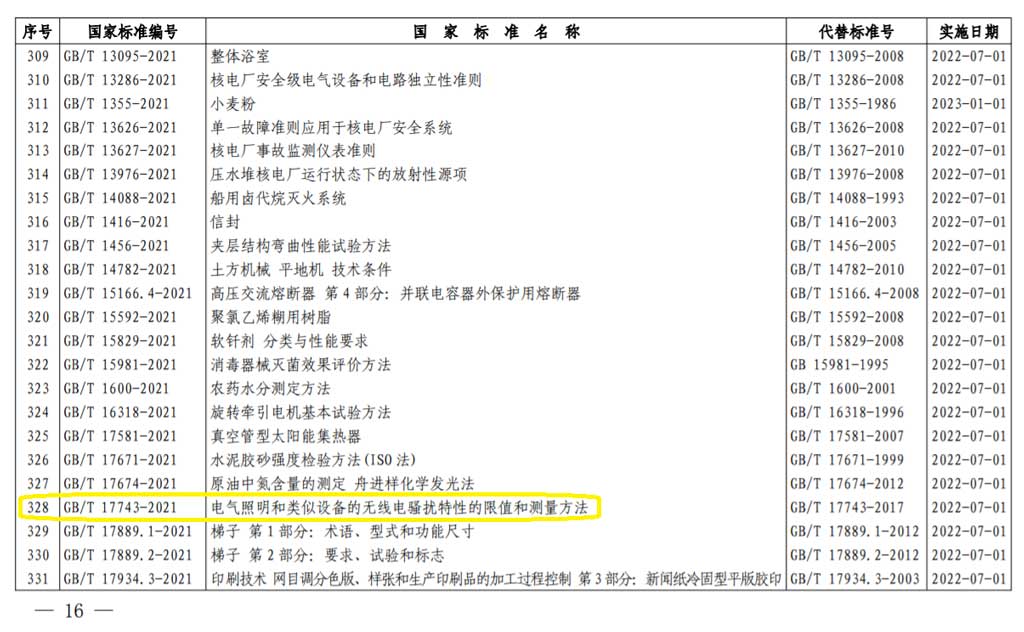
China Releases a National Standard -GB/T 9254.1-2021

信息技术设备、多媒体设备和接收机 电磁兼容 第1部分:发射要求
Information technology equipment, multimedia equipment and receivers—Electromagnetic compatibility—Part 1: Emission requirements

The National Standards Plan “Electromagnetic Compatibility of Information Technology Equipment, Multimedia Equipment and Receivers Part 1: Transmission Requirements” is reported under the jurisdiction of TC79 (National Radio Interference Standardization Technical Committee), TC79SC7 (National Radio Interference Standardization Technical Committee Information Technology Equipment, Multimedia Equipment and The electromagnetic compatibility branch of the receiver) is implemented, and the competent authority is the National Standardization Management Committee.

Standard number GB/T 9254.1-2021
Release date 2021-12-31
Implementation date 2022-07-01
The project period is 24 months, and the conversion period is 2 years.(Mandatory time:2024-07-01)
Replace all standards GB/T 9254-2008, GB/T 13837-2012

Standard adoption

The revision of this standard adopts the IEC international standard: CISPR 32:2015.
Adopting standard Chinese name: EMC emission requirements for multimedia equipment.

2022-01-06 Chinese National Standard Announcement

You are welcome to consult us, please contact David Zeng info@emc.wiki or 1513888718@qq.com , We can provide one-stop testing, EMC debug and certification services.
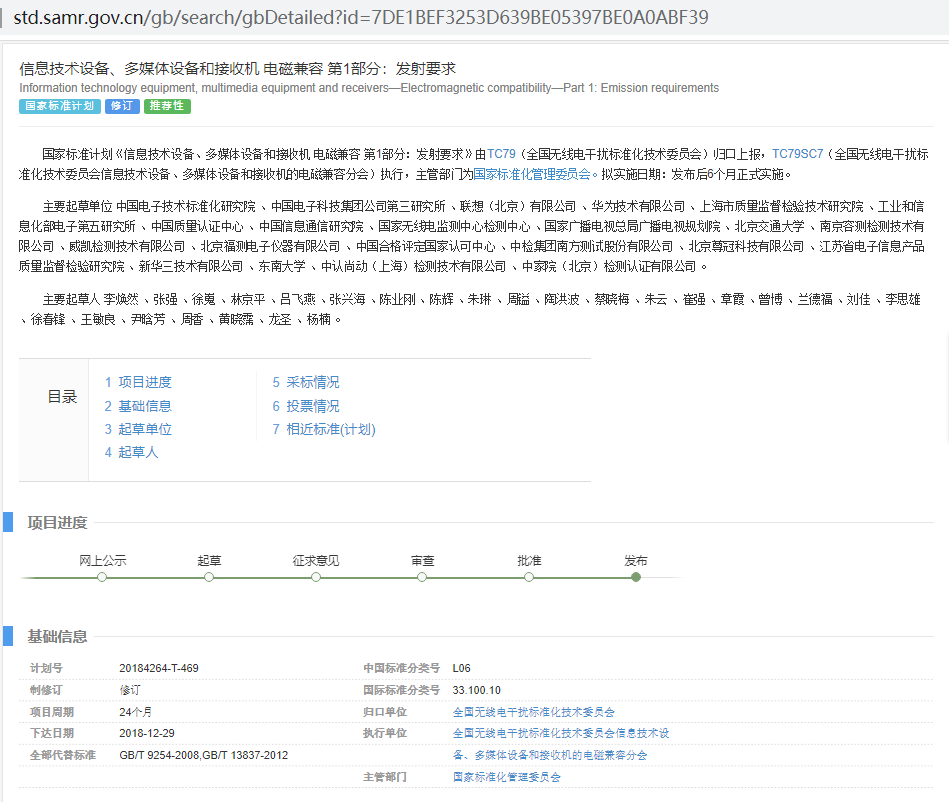
China Releases a National Standard -GB/T 9254.2-2021

信息技术设备、多媒体设备和接收机 电磁兼容 第2部分:抗扰度要求
Information technology equipment, multimedia equipment and receivers—Electromagnetic compatibility—Part 2: Immunity requirements

The national standard plan “Electromagnetic Compatibility of Information Technology Equipment, Multimedia Equipment and Receivers Part 2: Immunity Requirements” is reported under the jurisdiction of TC79 (National Radio Interference Standardization Technical Committee), TC79SC7 (National Radio Interference Standardization Technical Committee Information Technology Equipment, Multimedia Equipment and Receiver Electromagnetic Compatibility Branch), the competent authority is the National Standardization Management Committee. Proposed implementation date: officially implemented 6 months after the release.

Standard number: GB/T 9254.2-2021
Release Date: 2019-07-12
Project cycle: 24 months, 2-year conversion cycle
Replace all standards: GB/T 9383-2008, GB/T 17618-2015

Standard adoption

The revision of this standard adopts the IEC international standard: CISPR 35:2016.
Adopting standard Chinese name: electromagnetic compatibility and immunity requirements for multimedia equipment.

2022-01-06 Chinese National Standard Announcement

You are welcome to consult us, please contact David Zeng info@emc.wiki or 1513888718@qq.com , We can provide one-stop testing, EMC debug and certification services.
iphone 8 plus – Trademark nameplate learning certification knowledge

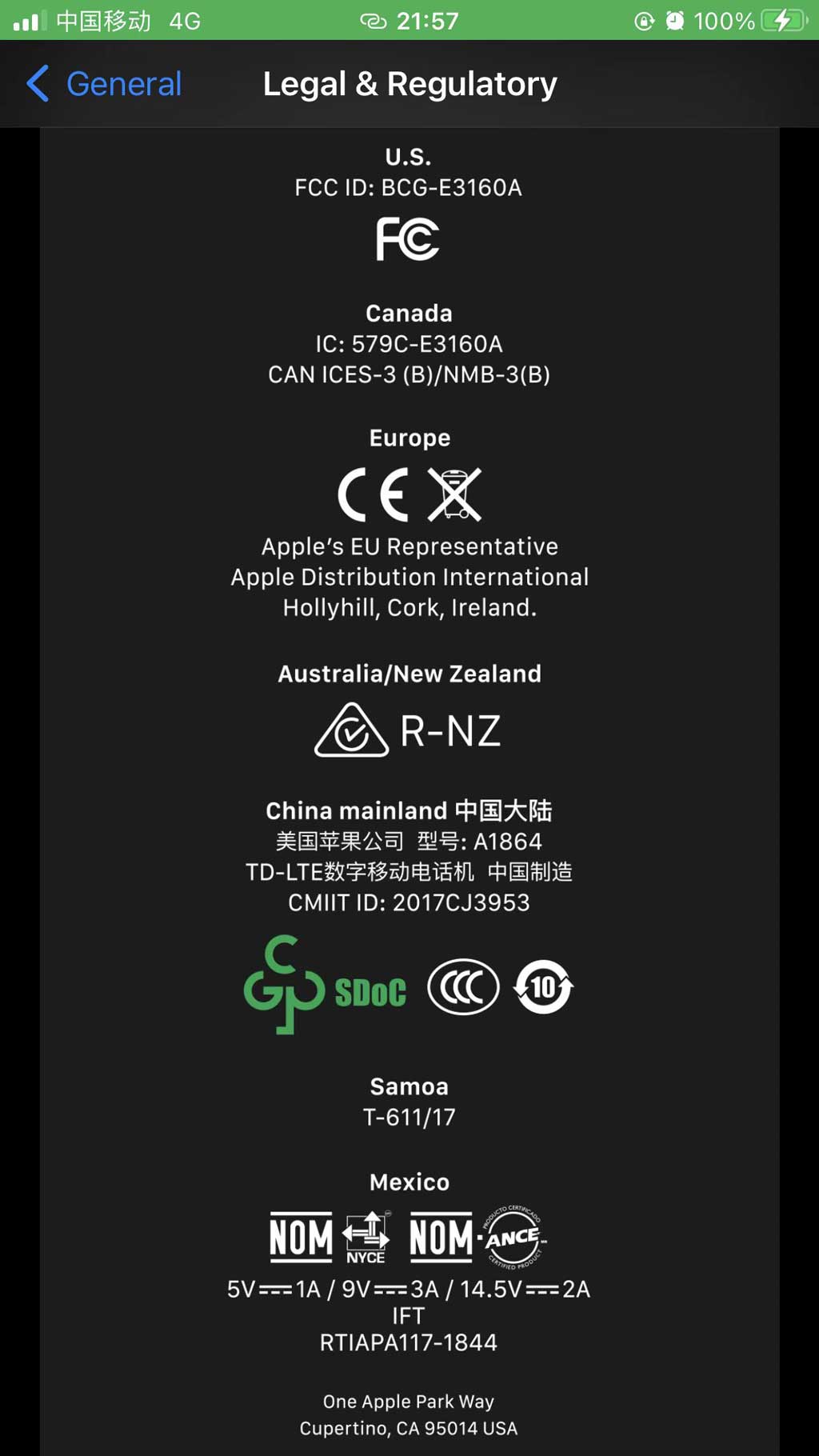
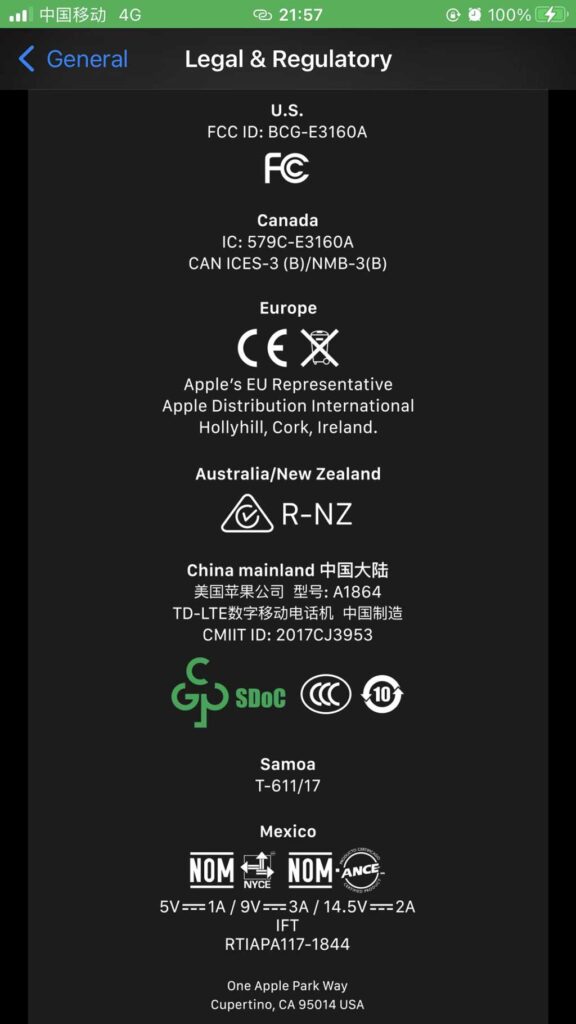
As can be seen from the built-in electronic tag of iphone8, it has FCC certification (FCC ID&FCC SDOC), Canadian certification (IC ID&IC), CE certification, Australia certification, New Zealand certification, CCC certification, Mexico certification, samoa certification, etc.

You are welcome to consult us, please contact David Zeng info@emc.wiki or 1513888718@qq.com , We can provide one-stop testing, EMC debug and certification services.