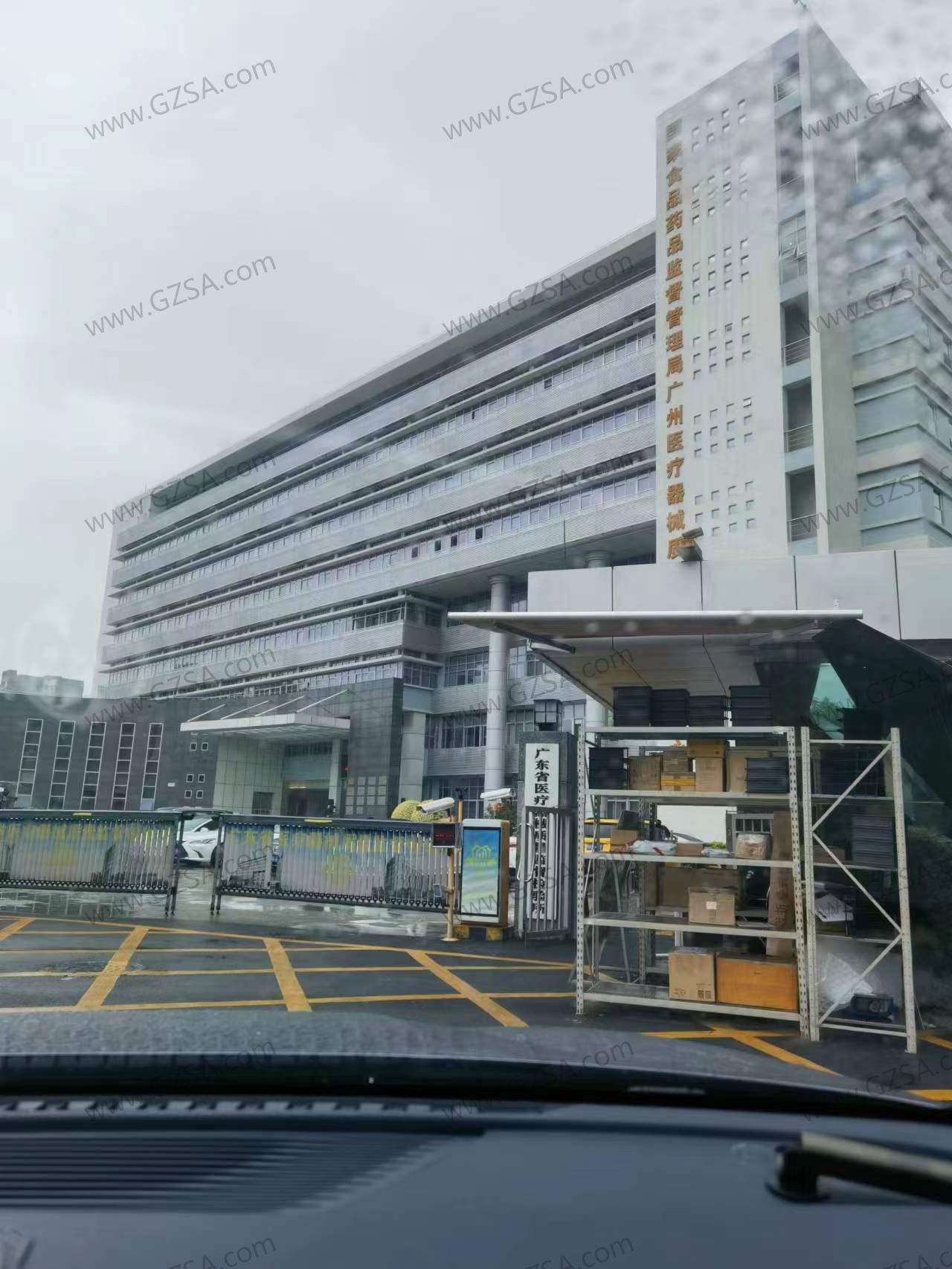
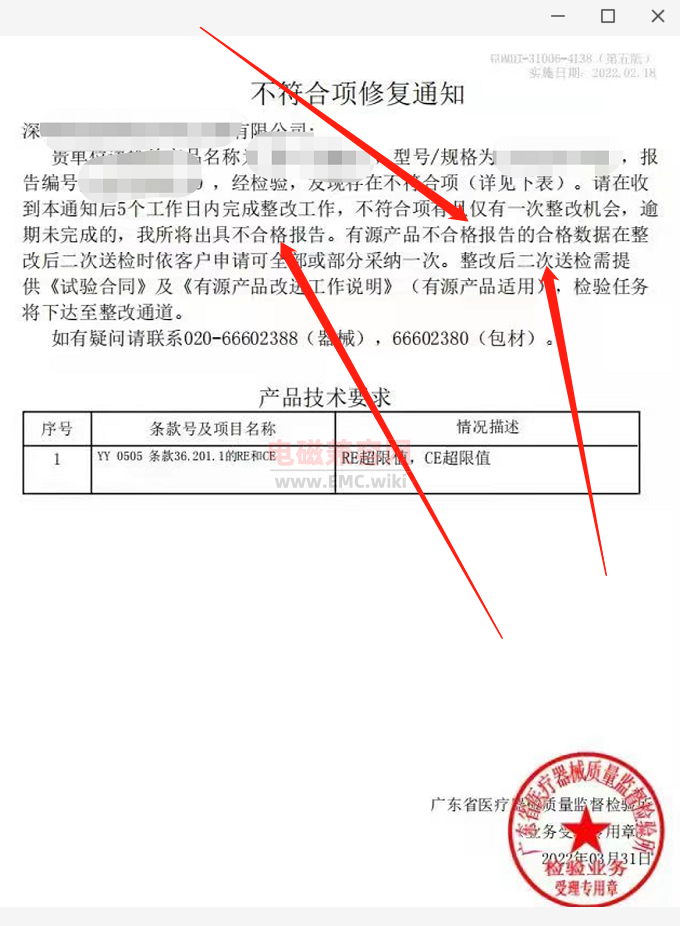
GDMDT – Guang Dong Medical devices quality surveillance and test institute
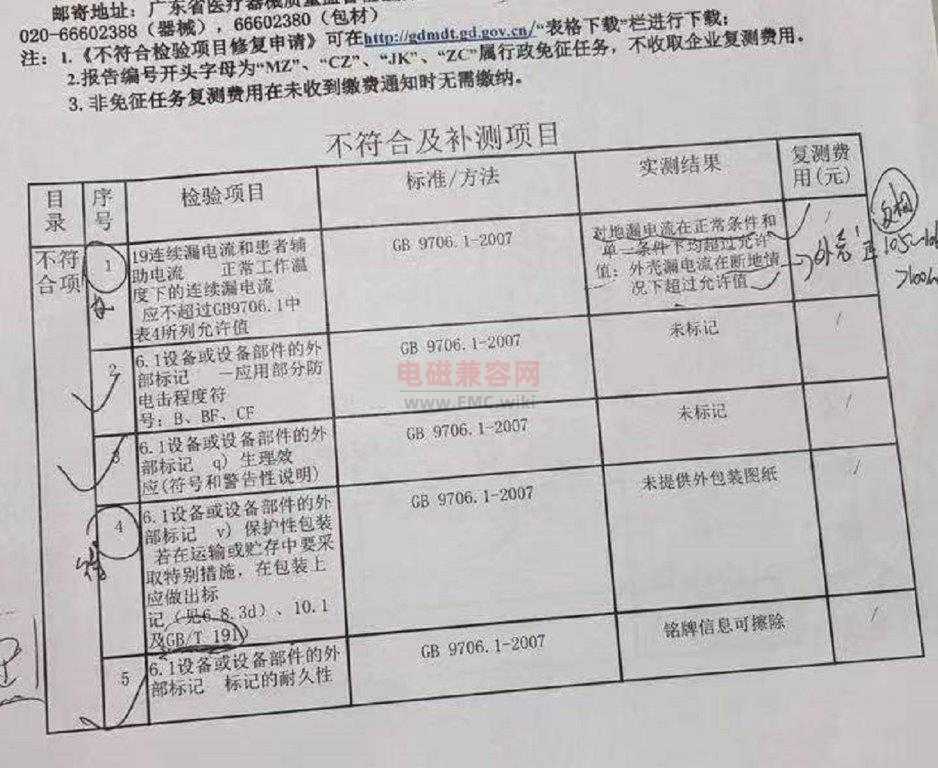
GZSA is dedicated to providing one-stop technical services for the testing, certification, and rectification of non-compliant issues of China NMPA medical devices. It is based in Guangzhou Science City in Guangdong and is 5 km away from the Guangdong Medical Device Quality Supervision and Inspection Institute. It can provide prompt response to EMC and safety technical services.
EMI – Electro Magnetic Interference – Radiation test
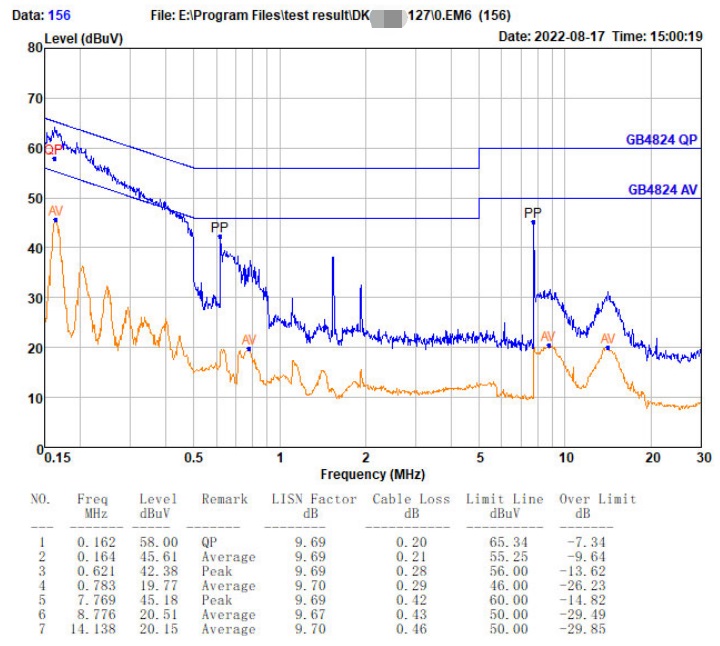
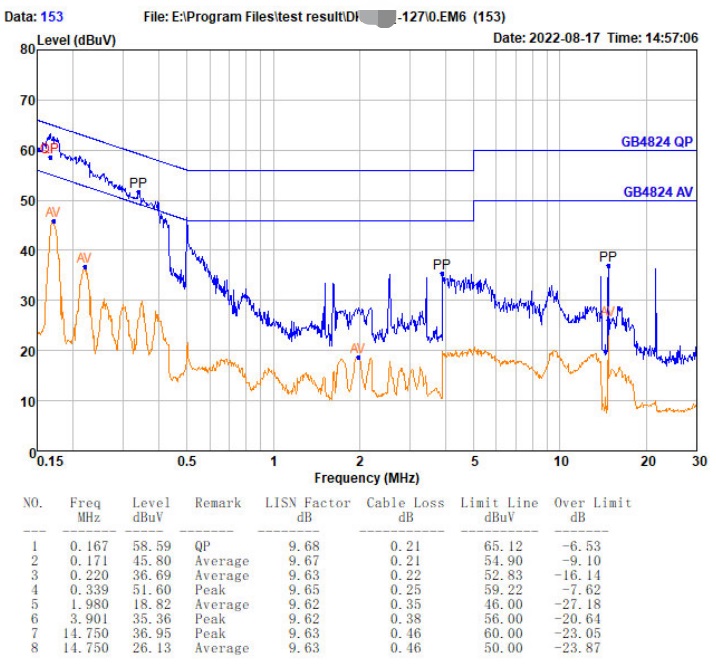
CE Conducted Emissions – GB4824 EN55011 CISPR11
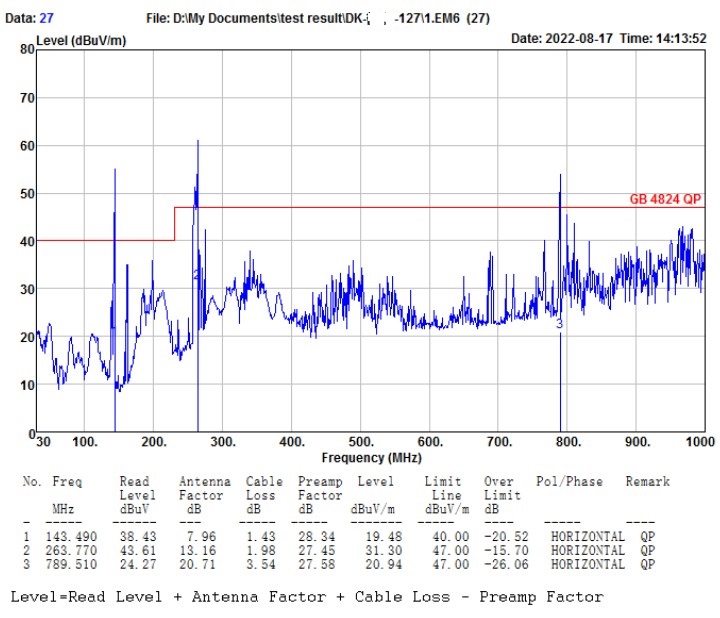
RE Radiation Emission – GB4824 EN55011 CISPR11
Harmonic harmonic current – GB17625.1 EC 61000-3-2
Flicker – Voltage fluctuations and flickering – GB17625,2 1EC 61000-3-3
EMS – Electro Magnetic Susceptibility measurement – Anti-interference measurement
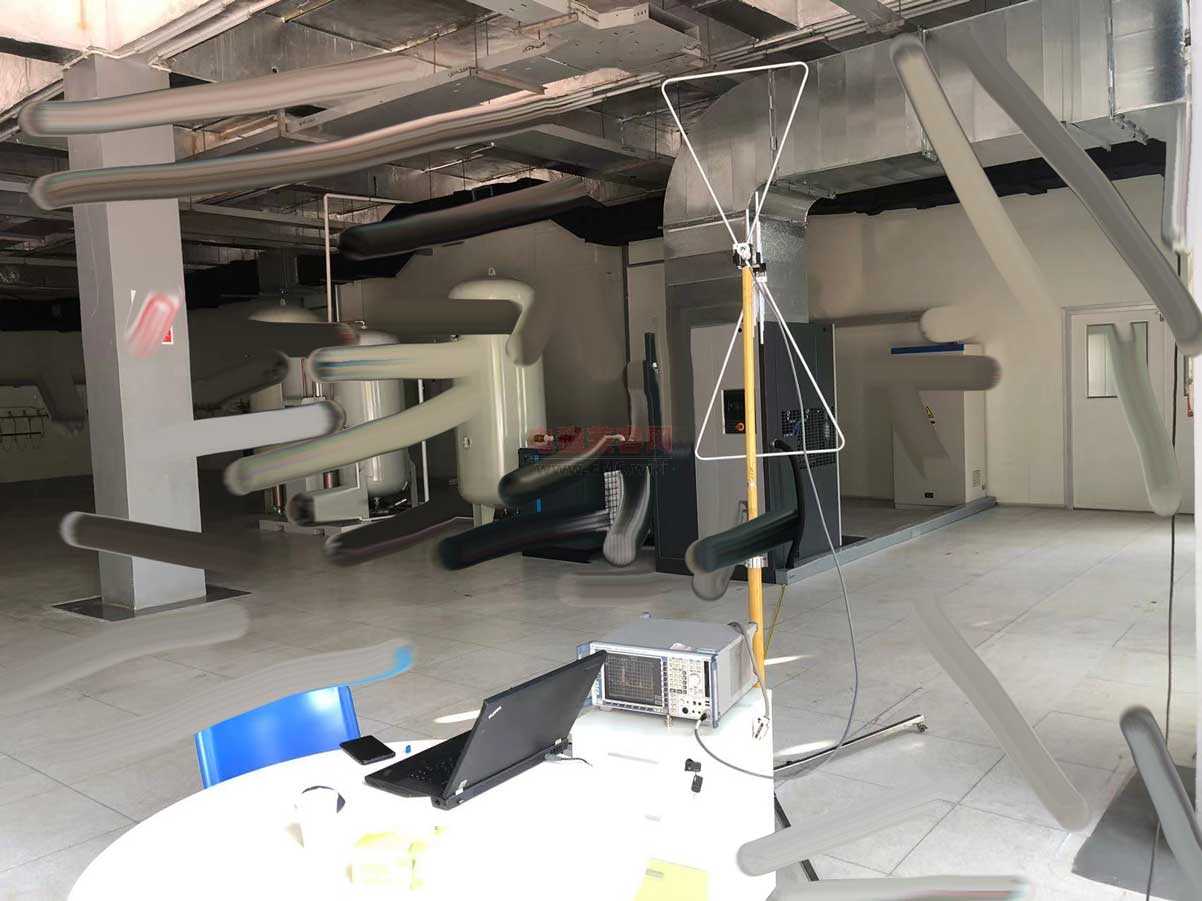
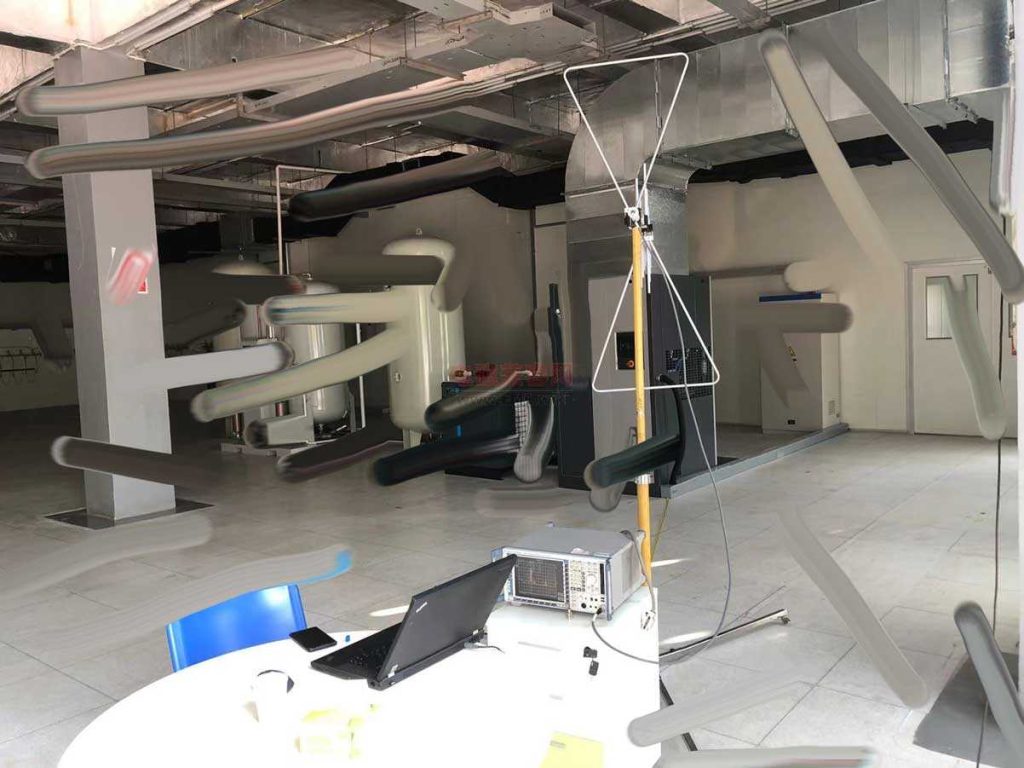
Test Methods of Electromagnetic Compatibility In-situ for Large Medical Equipment or System 【ON-SITE (IN-SITU) EMC TESTING】
Electromagnetic compatibility testing of medical equipment in my country has been mandatory. Large medical equipment or systems often have characteristics such as large size, inconvenient transportation, relatively fixed installation, and large rated power supply current (here specifically refers to each phase current greater than 16 A), such as MRI, DR , cascade biochemical analyzers, high-power sterilizers, hyperbaric oxygen chambers, etc.
This type of equipment is more complex than conventional medical equipment in terms of test layout and cable connections. Due to the special requirements of the installation environment and usage environment, some equipment or systems are often inconvenient to conduct electromagnetic compatibility testing in a laboratory environment, and the equipment needs to be tested and evaluated at the installation site.
Similarly, there are large industrial equipment systems (for example, various large energy storage cabinets, charging stations, heavy industry equipment, large frequency converter cabinets, drying ovens, high-power motors, etc.), etc. due to fixed installation, large size, and inconvenient transportation. , large rated power supply current, and even some require separate other auxiliary support systems, etc., it is often impossible to complete electromagnetic compatibility testing in the laboratory. At this time, EMC on-site testing needs to be performed at the customer’s product site.
GZSA can provide one-stop technical services such as on-site EMC testing, non-conformity EMC debug, standard technical consultation, and registered inspection reports in China and across the country.
EMC (Electromagnetic Compatibility) rectification or EMC debug, offers several advantages for electronic devices and systems:
Improved Product Reliability: EMC rectification ensures that electronic devices and systems can operate reliably in their intended electromagnetic environment. By addressing EMC issues, the risk of malfunctions and disruptions due to electromagnetic interference is reduced, leading to increased product reliability.
Regulatory Compliance: Many countries and regions have strict EMC regulations and standards that electronic products must meet to be legally sold and used. EMC rectification helps ensure compliance with these regulations, avoiding potential legal issues and product recalls.
Reduced Interference: EMC rectification reduces the likelihood of electromagnetic interference (EMI) generated by a device impacting other nearby devices or systems. This reduction in interference promotes harmonious coexistence in environments with multiple electronic devices.
Enhanced Product Performance: By resolving EMC issues, electronic devices can perform optimally without external disturbances. This improves the overall performance and functionality of the product.
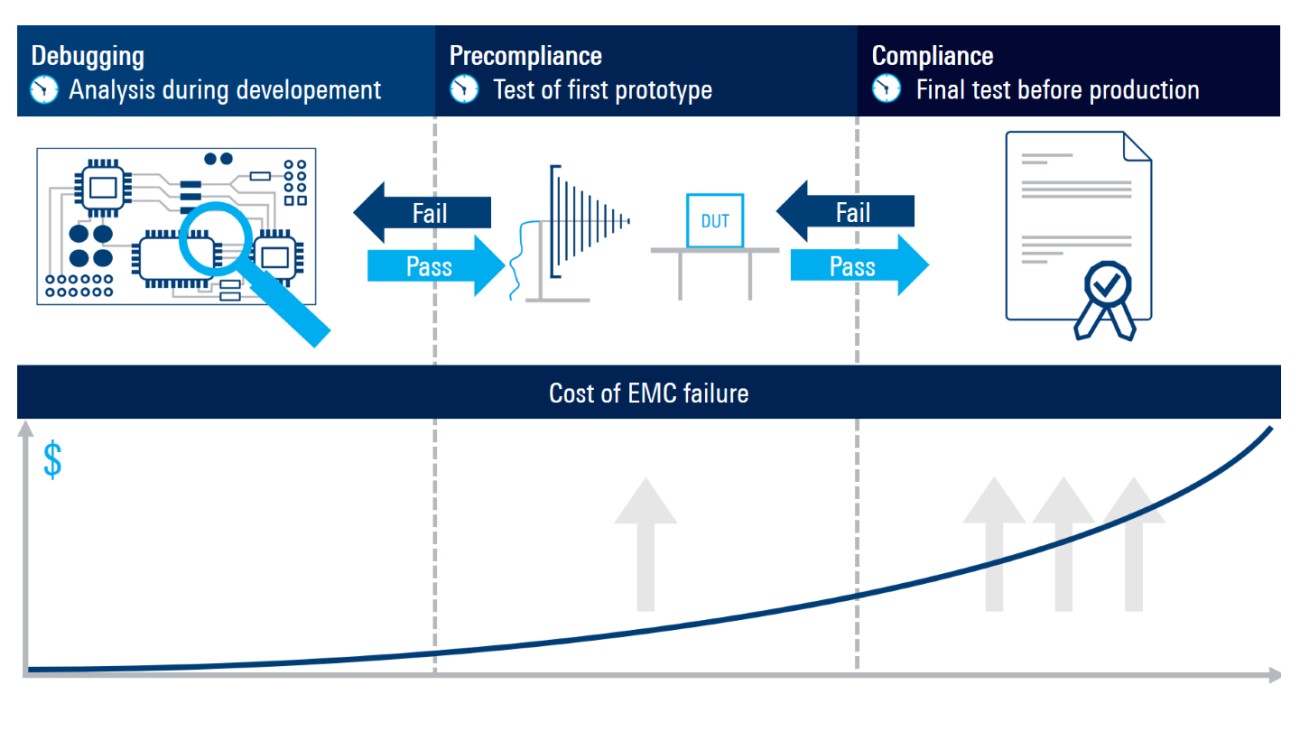
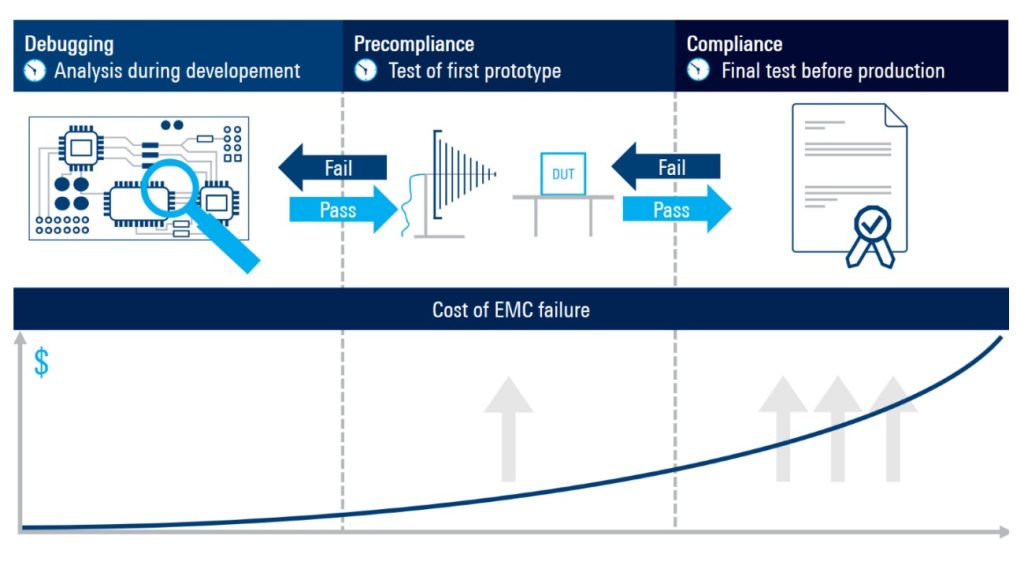
Cost Savings: Detecting and addressing EMC issues during the design and development phase can be more cost-effective than dealing with these issues after the product has been manufactured. EMC rectification early in the product development process can prevent costly rework or redesigns.
Customer Satisfaction: A product that has undergone EMC rectification is less likely to experience problems related to electromagnetic interference when used in various environments. This leads to higher customer satisfaction and trust in the product’s quality.
Easier Market Access: Many markets and industries require EMC compliance as a prerequisite for product entry. By rectifying EMC issues, the product can gain easier access to these markets, expanding its potential customer base.
Improved Safety: EMC rectification helps ensure that electronic devices do not interfere with safety-critical systems or other sensitive electronic equipment. This enhances the overall safety of the product and its users.
In summary, EMC rectification is essential for ensuring that electronic devices and systems can coexist harmoniously in their operating environments, comply with regulations, and deliver reliable performance. Addressing EMC issues early in the product development process can lead to numerous benefits for manufacturers, customers, and the overall market.
Detecting, analyzing, and correcting causes of electromagnetic interference (EMI) early in the development process is the surest way to successfully pass an EMI compliance test and the best way to avoid redesigns, delays, and added costs late in a project.
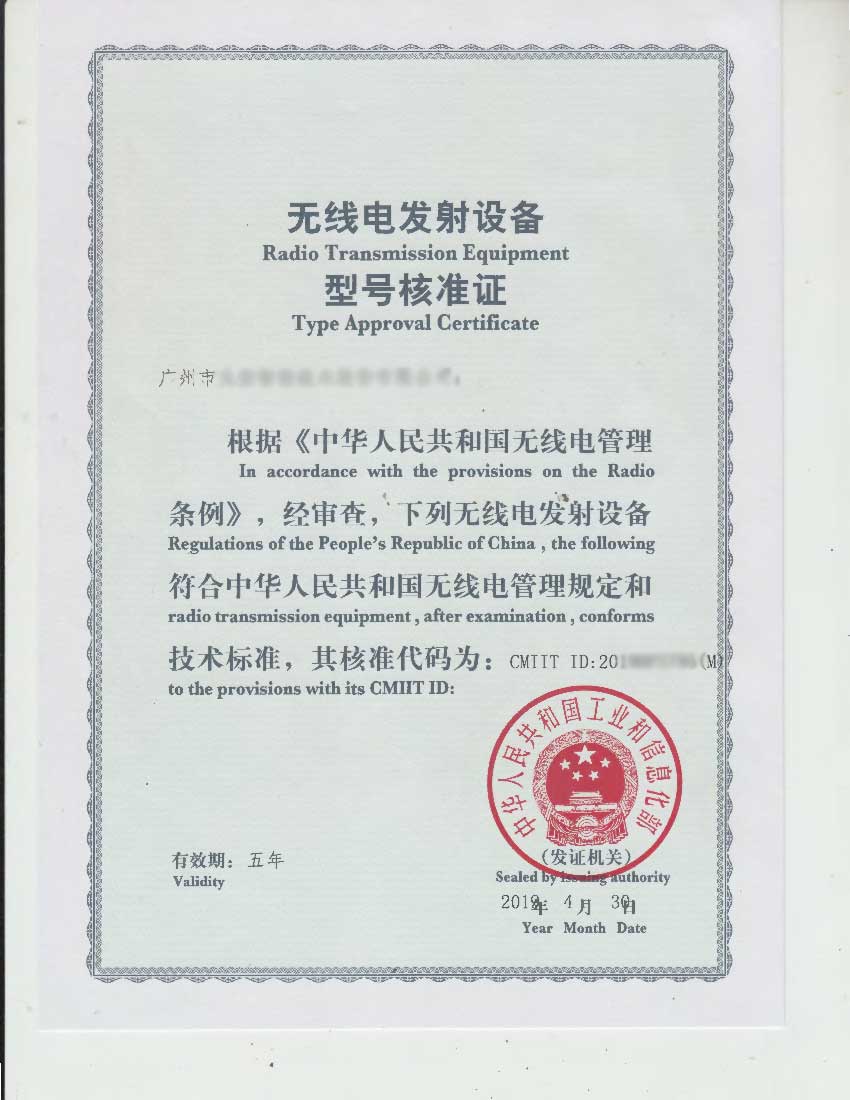
1.If the built-in module without certification, please provide fixed frequency prototype 5 units (lead RF line), fixed frequency tools 5, fixed frequency software and operating instructions.
2.If the built-in module has been certified and meets the requirements of the Ministry of Industry and Information Technology (MIIT) Document No. 1 of 2014, please provide a complete fixed-frequency prototype and the built-in module certificate, one fixed-frequency tool, fixed-frequency software and operating instructions.Please note: Each sample must have a label (nameplate) and a unique identification code (serial number or number).
Data Request
A:Have you registered an account in the “National Integrated Online Government Service Platform” or “Ministry of Industry and Information Technology Government Service Platform”, if not, please provide the following information, we will help you to register
1.Proof of organization and Chinese translation, with signature stamp
2.Scanned copy of legal person’s passport
B:All files need to be in Chinese and the file size should not exceed 5M: (Each model)
1.Application form, commitment letter (Annex)
2.Scanned copy of business license and Chinese translation of the business license
3.Scanned copy and signature of the passport of the manager.
4.If the product is produced by the applicant, provide the applicant’s ISO quality system certificate (the scope of the certificate needs to include the product category of this application), if not need to provide a description of technical capabilities, production capacity and quality assurance system (can refer to the annex).
5.If the applicant commissions the production on behalf of the factory, it is necessary to provide the applicant and the factory’s commissioning contract and the factory’s ISO quality system certificate or system status statement.
6.Whole machine schematic diagram, block diagram, product manual, product technical manual, RF part BOM (fill in the attachment), RF module/chip specification, antenna specification, antenna gain and line loss description (see attachment), product six-sided photo + internal photo (attachment).
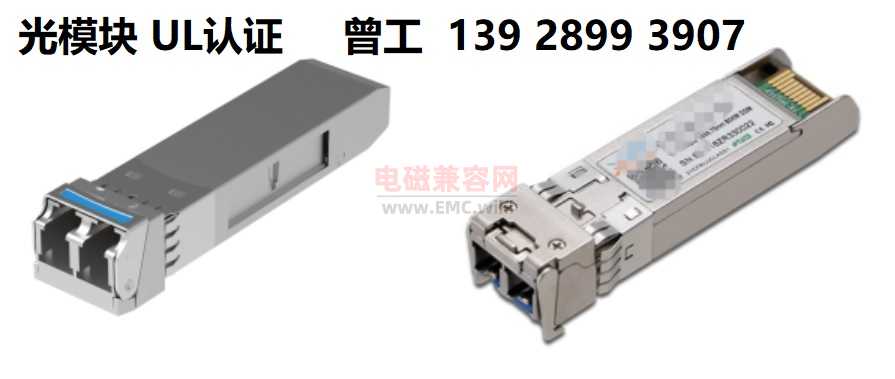
Optical modules are optoelectronic devices for photoelectric and electro-optical conversion. The sending end of the optical module converts the electrical signal into an optical signal, and the receiving end converts the optical signal into an electrical signal. The optical modules are classified according to the packaging form. The common ones are SFP, SFP+, SFF, Gigabit Ethernet Road Interface Converter (GBIC), etc. The optical module is composed of optoelectronic devices, functional circuits and optical interfaces. The optoelectronic devices include two parts: transmitting and receiving. In short, the function of the optical module is to convert the electrical signal to the optical signal at the sending end, and then convert the optical signal to the electrical signal at the receiving end after transmission through the optical fiber.
UL CBTL Laboratory Zeng Gong 139 2899 3907 (WeChat same number)
Optical module UL certification
Optical module UL certification
The optical module is composed of optoelectronic devices, functional circuits and optical interfaces. The optoelectronic devices include two parts: transmitting and receiving. In short, the function of the optical module is photoelectric conversion. The sending end converts the electrical signal into an optical signal. After transmission through the optical fiber, the receiving end converts the optical signal into an electrical signal. If the optical module is exported to the United States, it needs to be certified according to UL62368-1. Now we will introduce the test items, data preparation and process steps of the optical module UL62368-1:
1、 Test items of optical module UL62368-1
Input/output test
Leakage current from enclosure measurement
Risk of Electric Shock
Normal&Abnormal Temperature Test
Class P – Default Condition Tests – Electronic Ballasts (Class P)
Dielectric Voltage Withstand Test
Drop Test
Strain Relief Test
Mold Stress Test
Humidity Test
2、 The data to be prepared are as follows
Product application form;
Product Specification
Circuit schematic diagram
PCB Layout
Bill of Materials
Product structure dimension drawing
FDA CDRH report
3、 Certification process introduction and cooperation steps are as follows
Fill in the application form;
Start quotation;
Confirm the quotation and sign the contract;
Pay, open a case, and cooperate with our ITLCBTL laboratory to sign back the agreement when opening a case;
Provide samples and data;
Start the test and coordinate with the customer to sort out the product data;
Mr Zeng specializes in the field of electromagnetic compatibility, providing customers with professional EMC testing, safety testing, withstand voltage testing, leakage current testing, grounding resistance testing, high and low temperature testing, reliability testing, and various certifications, providing one-stop service , more can contact Mr Zeng 139 2899 3907 (same number on WeChat).
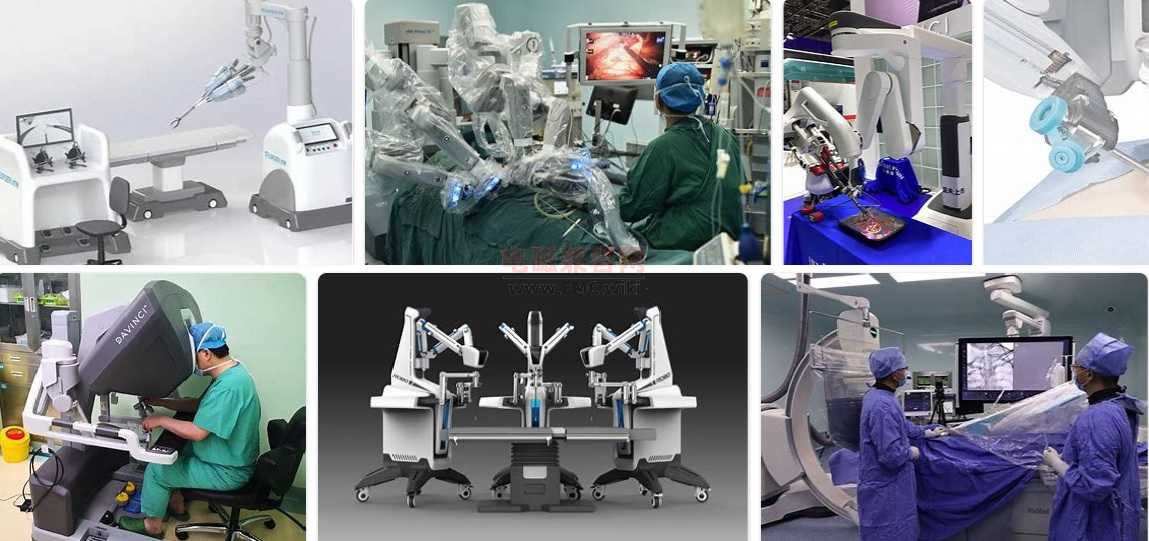
Contact Mr Zeng for EMC debug of medical surgical robot
In the medical device industry, surgical robots usually belong to the third category of medical treatment. The National Medical Products Administration (abbreviated as NMPA) usually carefully reviews such devices. Therefore, we need to take seriously the technical data, product specifications, document specifications and corresponding test reports. Among them, it is believed that many of these surgical robot enterprises will face some technical difficulties, for example, the core components such as mechanical arms and consoles are purchased from foreign countries or other suppliers. These foreign manufacturers or domestic suppliers will not provide more information or better cooperation. In particular, when the surgical robot fails to pass the electromagnetic compatibility test, safety regulation test, withstand voltage test, leakage current test and grounding resistance test, it will be helpless. It makes enterprises face great difficulties in the process of registration to listing, and brings great frustration to corresponding enterprises, registered engineers, and even some professional teachers responsible for registration.
Surgical robot
The biggest problem encountered by surgical robots in the process of medical device registration, the determination of corresponding technical parameters, and clinical trials. Then, it is the safety test of the corresponding EMC electromagnetic compatibility and safety regulations. These two pieces need very professional engineers with relevant industry experience and corresponding laboratories, so as to effectively predict the EMC problems and safety problems of surgical robots in advance. Even when the project is put on file and the project is reviewed, the safety regulations and electromagnetic compatibility should be evaluated in advance. Instead, it is risky to buy all the parts and key parts, and then do the test in reverse.
Common classification of medical surgical robots
Medical robots refer to the robots used for medical treatment or auxiliary medical treatment in hospitals and clinics; It is a kind of intelligent service robot, which can independently prepare operation plans, determine action programs according to the actual situation, and then turn the action into the motion of the operating mechanism.
According to different purposes, medical robots can be divided into hospital distribution robots, mobile patient robots, clinical medical robots, rehabilitation robots, nursing robots, medical teaching robots, etc.
Clinical medical robot
Clinical medical robots include surgical robots, diagnosis and treatment robots, which can perform precise surgical operations or diagnosis, such as Japan’s WAPRU-4 chest tumor diagnosis robot; The American surgical robot “Da Vinci system” is the top priority of medical robots.
The first robot assisted surgery was performed in 1985. At that time, industrial robots were used to stabilize the patient’s head, so as to facilitate neurosurgery drilling and inserting tissue sampling needles into designated positions.
The “Da Vinci” robot is the most famous in the industry, and its success is partly due to its FDA approval for clinical use; The domestic Tianzhihang Company has also obtained the registration license of surgical robot medical devices issued by the National Medical Products Administration (abbreviated as NMPA, Formerly called CFDA) , becoming the only orthopedic robot system capable of carrying out traumatic orthopedic and spinal surgery in the world.
Ophthalmic surgery robot
Orthopedic surgical robot
Dental assistant robot
Gastroscope robot
Common components of medical surgical robots
It mainly consists of a console and an operating arm. The console consists of a computer system, a surgical operation monitor, a robot control monitor, an operating handle, an input/output device, etc. During the operation, the surgeon can sit in front of the console far away from the operating table, lean his head on the field frame, receive complete images from different cameras with both eyes, and jointly synthesize the three-dimensional stereogram of the surgical field. The doctor controls the operating lever with both hands, and the hand movement is transmitted to the tip of the mechanical arm to complete the surgical operation, thus increasing the accuracy and stability of the operation. This is a new master slave remote operation mode.
Generally, surgical robots are composed of the following major technical systems
Surgical navigation and positioning technology (infrared optical positioning and other technologies)
Surgical robot structure and mechanical arm
Image processing system of surgical robot
Difficulties in EMC debug(rectification) of surgical robot
Surgical robot enterprises will face some technical difficulties. For example, core components such as mechanical arms and consoles are purchased from foreign countries or other suppliers. In this way, it will be very difficult to test and rectify your own compliance and compliance with the corresponding standards.
The mechanical arm and other moving parts of the surgical robot use all kinds of stepping motors, which are usually driven by pulses. In this way, the voltage and current change rate of dv/dt and di/dt is very large, and the same interference is very large, which brings challenges to EMC design and rectification.
The console of the surgical robot usually includes high-speed DSP, CPU and other processors. Because of the need for high-speed and high-precision computing and positioning, high frequency image processing, high-speed transmission of gigabit networks, 5G networks, and the need to display real-time images of the surgical scene through high-speed displays, it will involve a lot of digital interference of high-speed data processing chips.
Console, mechanical arm, navigation and monitoring of surgical robot often need physical cable connection to form a complete system, so that all kinds of cables will form a very large equivalent transmission antenna, making it easier to transmit interference through these cables. Therefore, these cables need special treatment.
Similarly, because of the existence of positioning and navigation, some use various laser, ultrasonic and other technology radar and other positioning technologies. These signals and their echoes, their PCB circuits often bring very big interference, and these intentionally emitted interference is relatively difficult to deal with.
Finally, a more important thing is the power supply system. Some of them also come with UPS, which should meet the medical standard requirements of IEC 60601-1 IEC 60601-1-2, including the design margin requirements. This type selection is very important.
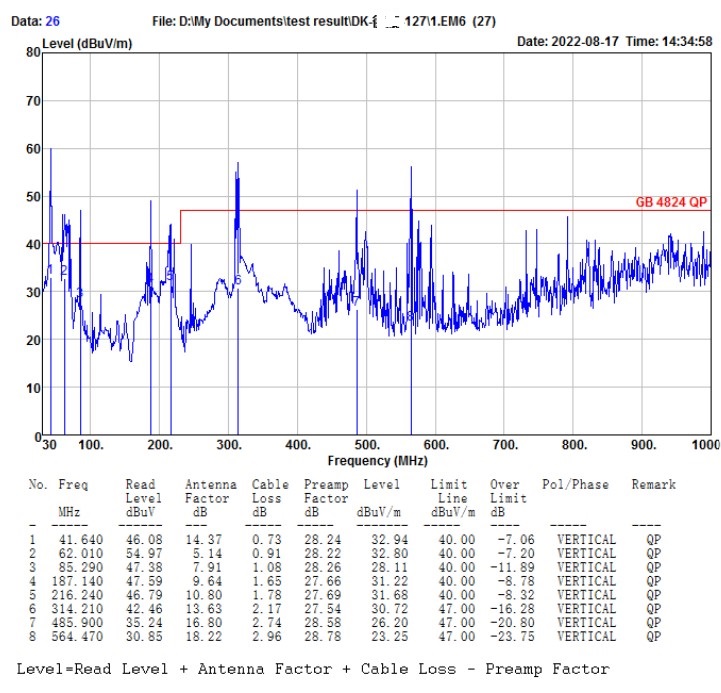
YY 0505 – 2012 – YY 9706.102 GB 4824 Radiation Test – V
YY 0505 – 2012 – YY 9706.102 GB 4824 Radiation Test – H
YY 0505 – 2012 – YY 9706.102 GB 4824 Conduction Test – L
YY 0505 – 2012 – YY 9706.102 GB 4824 Conduction Test – N
Who can the surgical robot find to EMC debug(rectify), and what are its advantages?
EMC testing of medical devices
We have experience in EMC design and rectification of surgical robots at home and abroad, including successful inspection, testing and reporting in the National Medical Device Testing Institute, which can provide customers with more mature experience.
With a professional CNAS national recognized laboratory, it can provide customers with accurate test data and reliable precautions in the inspection process, reduce the uncertainty of test data, and improve the confidence of the national laboratory for final inspection.
We have a professional technical team. We are not alone in technical research, but a team with more than 10 years of experience. Before the release of YY 0505 – 2012 in China, we were engaged in the safety regulation and electromagnetic compatibility testing, rectification and design of European medical devices in EN/IEC 60601-1 – 2.
The team with professional service quality can provide enterprises with accelerated and urgent processing, and can cooperate with overtime processing. The laboratory is located near the National Inspection Institute, which can facilitate data comparison, confirm the data of the national laboratory, and ensure the consistency of the predicted rectification data, so that the national inspection center can better pass at once.
It can provide YY 9706-102-2021 YY 0505 – 2012 GB 9706.1-2020 and other standard analysis, standard answers and standard training, which can enable enterprises to better understand standards and product compliance.
We not only provide inspection, rectification and design to the certification stage, but also help enterprises to introduce production and normalize the mass production of products, so that we can truly absorb the experience in the registration and inspection process, so as to minimize the risk of national medical flight inspection.
Provide emc test, EMC debug, safety leakage current test, safety withstand voltage test, safety grounding resistance test of medical device products, provide full project forecast service of medical device products, commissioned inspection report service, CNAS report, CMA report, high Low temperature, reliability test, data discrepancy investigation between medical device product laboratories, product EMC and safety regulation instability investigation. Provide EMC electromagnetic compatibility YY 0505-2012 / YY 9706.102-2021 standard training services, provide SAFETY safety regulations GB 9706.1-2007 / GB 9706.1-2020 standard training services, provide on-site training, on-site rectification services.
On April 18, 2022, ITL Testing was authorized by the CQC entrusted testing laboratory of China Quality Certification Center. Since then, it has won another important honor on behalf of ITL Hongnuo Testing Laboratory in the field of quality technology. As well as a good cooperative relationship with CQC, it can provide enterprises with the well-known CQC certification in China, so that the product quality of the enterprise can be improved, the recognition degree and the reputation of the enterprise can be enhanced.
ITL Testing has successively obtained national CNAS accreditation, CMA accreditation, NVLAP accreditation, and CB laboratory authorization, and has large laboratories in Guangzhou and Dongguan. It can provide professional one-stop testing and certification services for electronic and electrical products of enterprises.
CQC laboratory product category
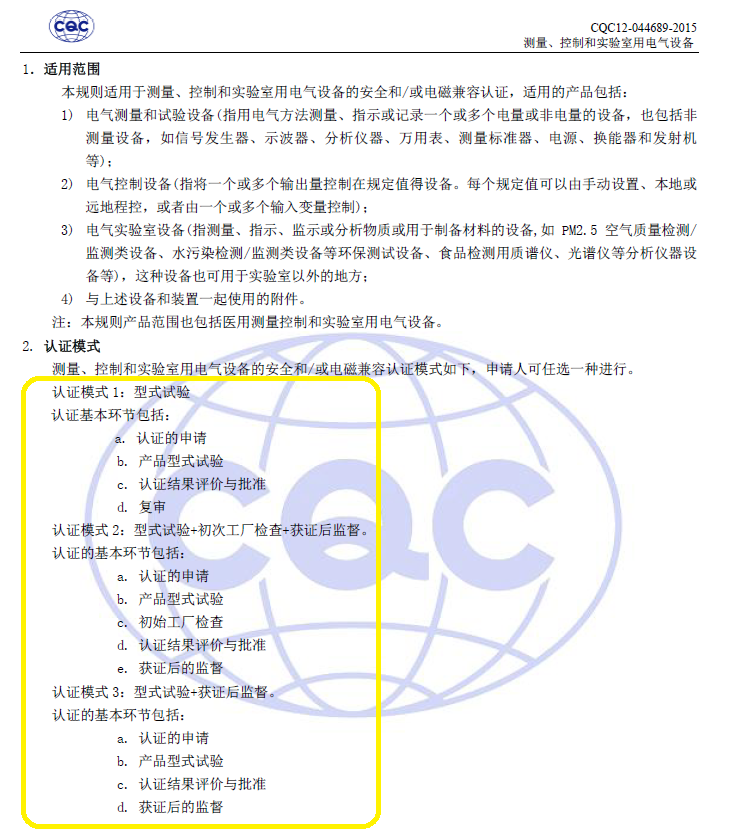
ITL Testing has obtained the safety and/or electromagnetic compatibility certification laboratory license of CQC-approved electrical equipment for measurement, control and laboratory use (ITL Hongnuo can issue a test report, and then ask CQC to apply for a CQC certificate). Applicable products include :
1) Electrical measurement and test equipment (referring to equipment that measures, indicates or records one or more electrical quantities or non-electrical quantities by electrical means, and also includes non-measurement equipment, such as signal generators, oscilloscopes, analytical instruments, multimeters, measurement standards, power supplies, transducers and transmitters, etc.);
2) Electrical control equipment (referring to equipment that controls one or more output quantities at specified values. Each specified value can be manually set, locally or remotely programmed, or controlled by one or more input variables);
3) Electrical laboratory equipment (referring to equipment for measuring, indicating, monitoring or analyzing substances or for preparing materials, such as PM2.5 air quality testing/monitoring equipment, water pollution testing/monitoring equipment and other environmental testing equipment, food Mass spectrometers, spectrometers and other analytical instruments and equipment for detection, etc.), which can also be used outside the laboratory;
4) Accessories for use with the above equipment and devices. Note: The product scope of this rule also includes medical measurement control and laboratory electrical equipment.
Charges for testing electrical equipment and accessories for CQC measurement, control and laboratory use
Total reference testing fee: 16840-30000 (different testing fees will be charged according to the structure, function or testing standard of the product)
Application fee certificate fee 1600
The factory inspection fee for the first application is about 6000
3 authentication modes
For more information about CQC certification, you can contact Mr Zeng xiangweizeng@gmail.com
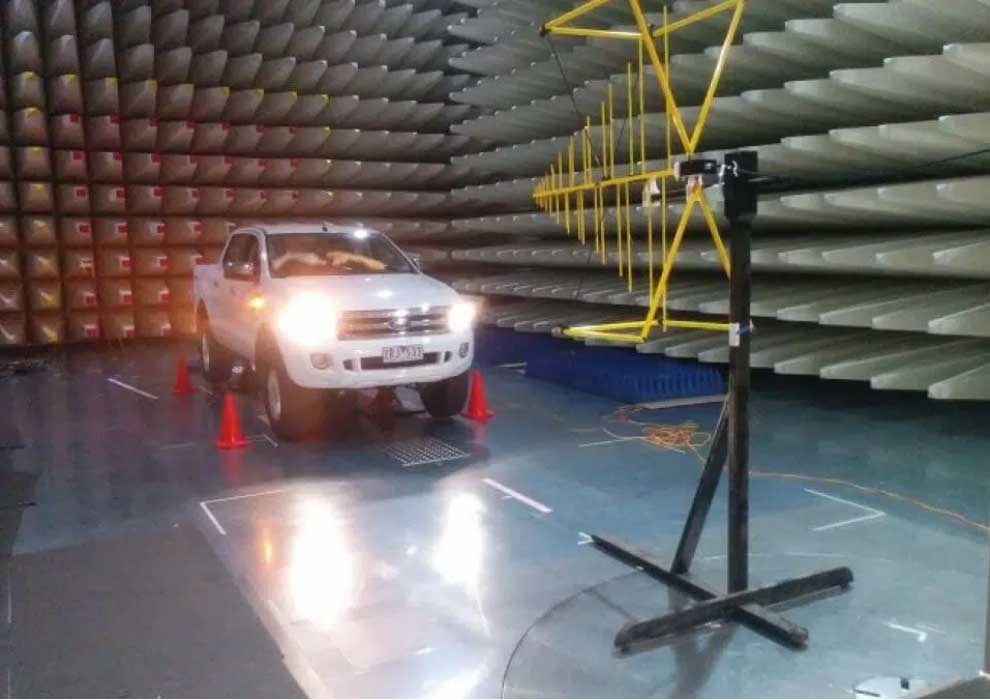
ECE R10 is one of the regulations published by The United Nations Economic Commission for Europe (UNECE) for automotive industry. UNECE has 56 member states as of 18 February 2020. ECE R10 is defining Electromagnetic Compatibility requirements of the vehicles and electronic sub assemblies (ESAs) used in automotive. It explains both EMC tests and type approval of the product.
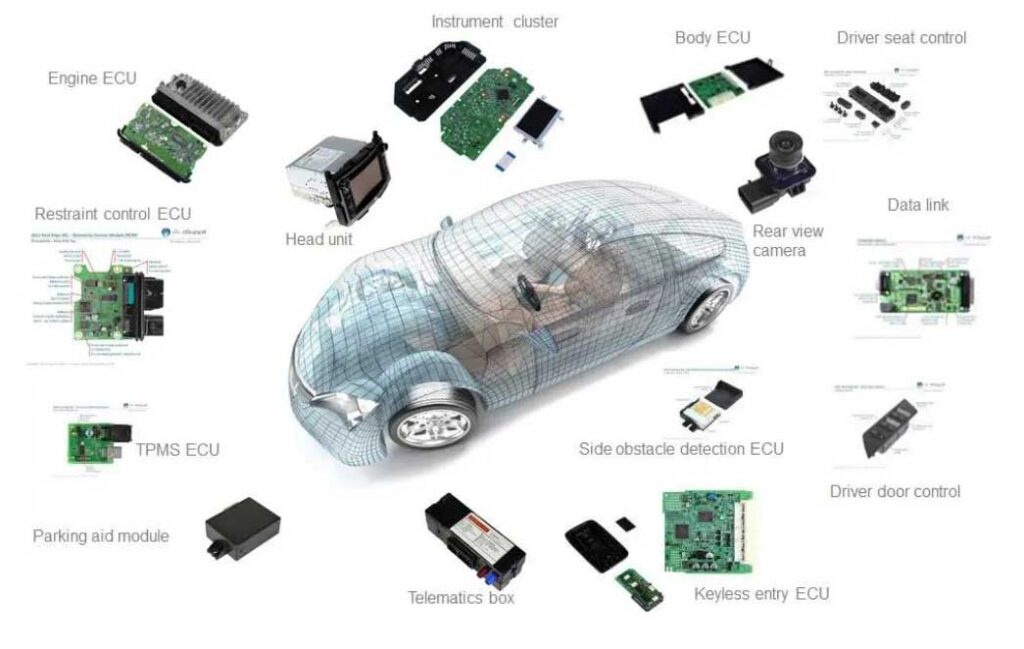
WHICH PRODUCTS ARE UNDER THE SCOPE OF ECE R10?
As given on the scope of ECE R10, the regulation applies to:
1.1. Vehicles of categories L, M, N O, T, R and S1 with regard to electromagnetic compatibility;
1.2. Components and separate technical units intended to be fitted in these vehicles with the limitation given in paragraph 3.2.1. with regard to electromagnetic compatibility.
1.3. It covers: (a) Requirements regarding the immunity to radiated and conducted disturbances for functions related to direct control of the vehicle, related to driver, passenger and other road users’ protection, related to disturbances, which would cause confusion to the driver or other road users, related to vehicle data bus functionality, related to disturbances, which would affect vehicle statutory data; (b) Requirements regarding the control of unwanted radiated and conducted emissions to protect the intended use of electrical or electronic equipment at own or adjacent vehicles or nearby, and the control of disturbances from accessories that may be retrofitted to the vehicle; (c) Additional requirements for vehicles and ESAs providing coupling systems for charging the REESS regarding the control of emissions and immunity from this connection between vehicle and power grid.
WHICH VERSIONS OF ECE R10 ARE PUBLISHED?
Version of ECE R10 is mentioned as ECE R10Rev.6, ECE R10Rev.5 or ECE R10Rev.4. The latest version is Revision 6 and it has been officially published by UN ECE. On 30 October 2020, United Nations published an amendment for ECE R10 Rev.6. ECE R10 regulations and its amendments are free documents, you can download them by visiting official website of UN ECE. However, you can not reach test standards mentioned in the regulation since most of the test standards are not free of charge. If you need to check the details of standards you have to purchase them from web store of the standard publisher. Alternatively, you can ask Testups any technical questions about the tests.
WHAT ARE THE OTHER REGULATIONS PUBLISHED BY UN ECE?
ECE R10 is not the only regulation published by UN ECE. There are 160 regulations published by UN ECE. Each regulation specify requirements of the different types of vehicles or components that will be used on that vehicles.
DIFFERENT LANGUAGE VERSIONS OF ECE R10
There are three language options for ECE R10 regulation published by The United Nations Economic Commission for Europe (UNECE). You can click below links to reach English, French or Russian.
ECE R10 Rev 6 English
ECE R10 Rev 6 French
ECE R10 Rev 6 Russian
ECE R10 Rev 6 Deutsch is not available. However, you can get some general information about ECE regulations in German by clicking here.
ECE R10 TESTING
UN ECE R10 explains how to perform EMC tests and there are various test standards that are applied. Each test and test setup is explained in detail. UN ECE R10 EMC Tests can be categorized into two groups: emission and immunity. Emission and immunity tests are performed according to referred test standards. The standards referred to UN ECE R10 Revision 6 are listed below:
CISPR 12, CISPR 16-1-4, CISPR 25, ISO 7637-2, ISO-EN 17025, ISO 11451, ISO 11451-1, ISO 11451-2, ISO 11451-4, ISO 11452, ISO 11452-1, ISO 11452-2, ISO 11452-3, ISO 11452-4, ISO 11452-5, ITU Radio Regulations, edition 2008, IEC 61000-3-2, IEC 61000-3-3, IEC 61000-3-11, IEC 61000-3-12, IEC 61000-4-4, IEC 61000-4-5, IEC 61000-6-3, CISPR 16–2–1, CISPR 22, CISPR 16-1-2, IEC 61851-1 and CISPR 32.
What are immunity related functions?
ECE R10 mentions immunity related functions of the vehicle. This defines the test plan since products with immunity related functions need much more testing. “Immunity related functions” are listed as six function categories. This list is not exhaustive and shall be adapted to the technical evolution of vehicle or technology.
1) Functions related to the direct control of the vehicle:
By degradation or change in: e.g. engine, gear, brake, suspension, active steering, speed limitation devices;
By affecting drivers position: e.g. seat or steering wheel positioning;
By affecting driver’s visibility: e.g. dipped beam, windscreen wiper, indirect vision systems, blind spot systems.
2) Functions related to driver, passenger and other road user protection:
E.g. airbag and safety restraint systems, emergency calling systems;
3) Functions which, when disturbed, cause confusion to the driver or other road users:
Optical disturbances: incorrect operation of e.g. direction indicators, stop lamps, end outline marker lamps, rear position lamp, light bars for emergency system, wrong information from warning indicators, lamps or displays related to functions in subparagraphs (a) or (b) which might be observed in the direct view of the driver;
Acoustical disturbances: incorrect operation of e.g. anti-theft alarm, horn.
4) Functions related to vehicle data bus functionality:
By blocking data transmission on vehicle data bus-systems, which are used to transmit data, required to ensure the correct functioning of other immunity related functions.
5) Functions which when disturbed affect vehicle statutory data: e.g. tachograph, odometer;
6) Function related to charging mode when coupled to the power grid:
For vehicle test: by leading to unexpected vehicle motion;
For ESA test: by leading to an incorrect charging condition (e.g. over-current, over-voltage).
How to apply ECE R10 tests?
EMC tests are performed according to relevant clauses of ECE R10 regulation at EMC testing laboratories. EMC testing laboratories which are able to perform ECE R10 tests, are equipped with IEC, ISO or CISPR compliant EMC test chambers and equipments. Test experts check the product features and functions and make a test plan according to applicable ECE R10 EMC tests. Emission and immunity tests are performed. As Testups offers, ECE R10 tests can be finished in 4 weeks, if the product passes all product-specific EMC tests listed on the regulation and referred standards. After passing all applicable ECE R10 tests, test report is issued for the product (vehicle or ESA). This test report shows the ECE R10 test results of the product and it is required if the product also needs ”E-mark” or type approval according to UN ECE R10.
ECE R10 TYPE APPROVAL OR HOMOLOGATION
After ECE R10 tests are done and PASS test report issued, Type Approval or Homologation (E-marking) can be also issued for the product. In this step, ECE R10 test report, technical documents of the product and quality documents (like valid ISO 9001 certificate) of the manufacturing or/and distributor company are checked by a third party and authorized agency. They are also called designated technical service. If all product and company documents are submitted properly, E mark including a unique number can be affixed or labeled on the product.
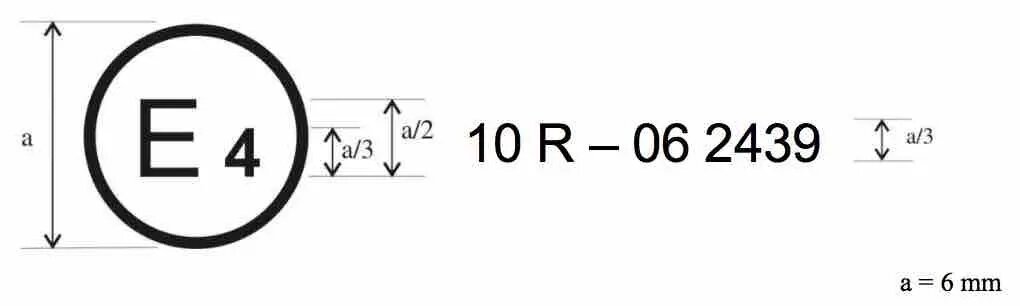
Examples of approval marks
The below approval mark affixed to a vehicle or ESA shows that the vehicle type concerned has, with regard to electromagnetic compatibility, been approved in the Netherlands (E 4) pursuant to Regulation No. 10 under approval No. 05 2439. The approval number indicates that the approval was granted according to the requirements of Regulation No. 10 as amended by the 06 series of amendments.
Which countries are covered by ECE R10?
There are 57 countries which are under the scope of UN ECE Regulation 10. Each country has a ECE symbol and designated type approval authority. For instance for Ireland, ECE symbol is E24 and designated type approval authority is NSAI. For whole list of ECE R10 countries visit this page: ECE R10 Countries
COSTS FOR EMC TESTING AND TYPE APPROVAL
There are two cost item for ECE R10 compliance: testing and type approval.
What are the costs for ECE R10 EMC testing?
EMC testing costs depend on the features of the product, test plan, and location of test laboratory. If your product is a simple electronic sub assembly which has no immunity related function, reduced EMC tests are allowed. This will make costs lower. For such a simple product operating at a single voltage and with a single operation mode, ECE R10 testing costs will change in this range: 2.500 – 3.000 EUR.
What are the costs for ECE R10 Type Approval?
Type approval costs depend on the agency or country issuing the type approval. Although E1(Germany) and E24(Ireland) marks are technically identical, E1 marking takes some much more time and a bit expensive than E24 due to authorized agency costs. ECE R10 type approval (E marking) costs will change in this range: 1.500 – 2.000 EUR.
How to reduce ECE R10 testing costs ?
If you are suffering from the costs for ECE R10 testing and type approval, take into account suggestions listed below:
Check ECE R10 EMC tests during the design stage of your products. Early testing would save you time and money since you would have opportunity to get test results before serial production.
Use same or similar electronic components when designing your products. Using similar electronic components would increase the probability of the PASS ratio of test results. If you use various types of electronic components, ensure that they have been EMC tested or certified.
Group similar products in terms of electromagnetic compatibility and reduce number of model names with product family names. ECE R10 allows product grouping if technically applicable. When defining your product model names, try to group them under a product family model names.
Start testing with pre-compliance EMC tests during design validation stage of your products, this would save time and cost during ECE R10 certification. If an electronic product or vehicle never tested before, it would probably fail at one of ECE R10 tests. Pre-compliance testing would save you time and money even it seems causing extra costs.
Try to perform some EMC tests in house by having EMC test equipments (if you regularly need ECE R10 testing or type approval service). Work on investing on some of the EMC test instruments and prepare test setups which are most essential for your product. By in house testing, you would get opportunity to design your product more comfortable and to check your product’s EMC performance during its pilot or serial production.
Build a UN ECE R10 compliant EMC test laboratory (if you have various products that need ECE R10 testing or type approval service). UN ECE R10 compliant test laborotory needs some expert staff like test engineers and technicians. If your team can handle these laboratory operations, building a new test laboratory would make you much more comfortable in terms of electromagnetic compatibility of your products. If you would like go further, have accreditation or authorisation for your laboratory to show your lab’s independency and satisfy your customers.
Regulation No 10 of the Economic Commission for Europe of the United Nations (UN/ECE) — Uniform provisions concerning the approval of vehicles with regard to electromagnetic compatibility
ECE Regulation R10 of the Economic Commission for Europe of the United Nations (UN/ECE), the body responsible for implementing global trade agreements within Europe, addresses electromagnetic compatibility (EMC) issues and applying to vehicles of categories L, M, N O, T, R and S. The regulation requires manufacturers to gain type approval for all vehicles, electronic sub-assemblies, components and separate technical units.
ECE Regulation R10 covers the requirements regarding the immunity to radiated and conducted disturbances related to direct control of the vehicle, the driver, passenger and other road users’ protection. The regulation addresses disturbances which would cause confusion to the driver or other road users, related to vehicle data bus functionality. ECE Regulation R10 also addresses requirements regarding the control of unwanted radiated and conducted emissions to protect the intended use of electrical or electronic equipment from nearby or adjacent vehicles and the control of disturbances from accessories that may be retrofitted to the vehicle.
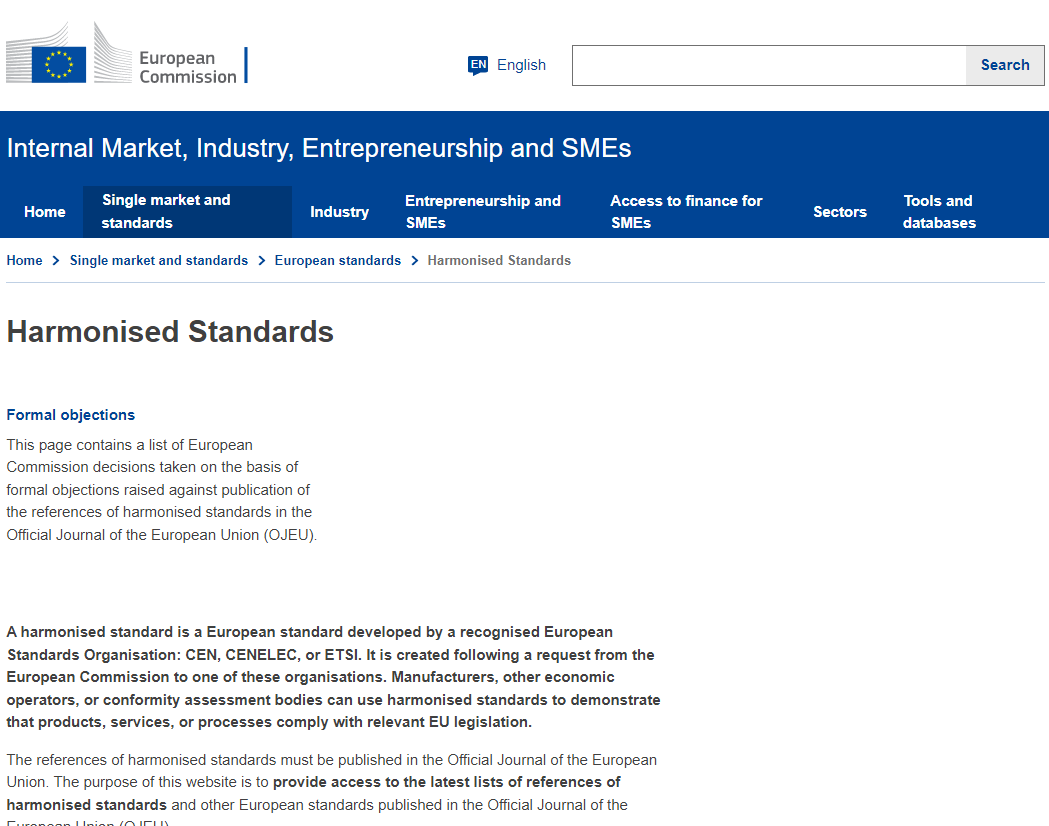
This page contains a list of European Commission decisions taken on the basis of formal objections raised against publication of the references of harmonised standards in the Official Journal of the European Union (OJEU).
A harmonised standard is a European standard developed by a recognised European Standards Organisation: CEN, CENELEC, or ETSI. It is created following a request from the European Commission to one of these organisations. Manufacturers, other economic operators, or conformity assessment bodies can use harmonised standards to demonstrate that products, services, or processes comply with relevant EU legislation.
The references of harmonised standards must be published in the Official Journal of the European Union. The purpose of this website is to provide access to the latest lists of references of harmonised standards and other European standards published in the Official Journal of the European Union (OJEU).
References of harmonised standards and of other European standards published in the OJEU
Accessibility
Websites and mobile applications of public sector bodiesSearch for available translations of the preceding
Chemicals
Chemical substances (REACH)Search for available translations of the preceding
Explosives for civil usesSearch for available translations of the preceding
Pyrotechnic articlesSearch for available translations of the preceding
Conformity assessment and management systems
New Legislative Framework (NLF) and Eco-Management and Audit Scheme (EMAS)Search for available translations of the preceding
Construction
Construction products (CPD/CPR)Search for available translations of the preceding
Consumers and workers protection
Cosmetics productsSearch for available translations of the preceding
General product safetySearch for available translations of the preceding
Personal protective equipment (PPE)Search for available translations of the preceding
Toys safetySearch for available translations of the preceding
Energy efficiency
Ecodesign and energy labellingSearch for available translations of the preceding
Electric and electronic engineering
Electromagnetic compatibility (EMC)Search for available translations of the preceding
Equipment for explosive atmospheres (ATEX)Search for available translations of the preceding
Low Voltage (LVD)Search for available translations of the preceding
Radio Equipment (RED)Search for available translations of the preceding
Restriction of the use of certain hazardous substances (RoHS)Search for available translations of the preceding
Healthcare engineering
In vitro diagnostic medical devices (Regulation 2017/746)Search for available translations of the preceding
Medical devices (Regulation 2017/745)Search for available translations of the preceding
Active implantable medical devices (Directive 90/385/EEC)Search for available translations of the preceding
In vitro diagnostic medical devices (Directive 98/79/EC)Search for available translations of the preceding
Medical devices (Directive 93/42/EEC)Search for available translations of the preceding
Measuring technology
Measuring instruments (MID)Search for available translations of the preceding
Non-automatic weighing instruments (NAWI)Search for available translations of the preceding
Mechanical engineering and means of transport
Cableway installations designed to carry personsSearch for available translations of the preceding
Equipment for explosive atmospheres (ATEX)Search for available translations of the preceding
Gas appliances (GAR)Search for available translations of the preceding
Inspection of pesticide application equipmentSearch for available translations of the preceding
LiftsSearch for available translations of the preceding
Machinery (MD)Search for available translations of the preceding
Pressure equipment (PED)Search for available translations of the preceding
Rail system: interoperabilitySearch for available translations of the preceding
Recreational craft and personal watercraftSearch for available translations of the preceding
Simple Pressure Vessels (SPVD)Search for available translations of the preceding
Unmanned aircraft systems (UAS)Search for available translations of the preceding
Services
Community postal servicesSearch for available translations of the preceding
Sustainability
Packaging and packaging wasteSearch for available translations of the preceding
Use of harmonised standards
The use of these standards remains voluntary. Manufacturers, other economic operators, or conformity assessment bodiesSearch for available translations of the preceding linkEN••• are free to choose another technical solution to demonstrate compliance with the mandatory legal requirements.
Within the context of some directives or regulations, voluntary European standards supporting the implementation of legal requirements are not called “harmonised standards”. This legislation is also included in this information service if:
legislation foresees a need for a Commission standardisation request to European Standards Organisations;
publication of references in the Official Journal of the European Union is foreseen as a precondition for presumption of conformity or for other legal effect.
Official website : https://ec.europa.eu/growth/single-market/european-standards/harmonised-standards_en